The Direct Answer Every Arlington Renter Needs
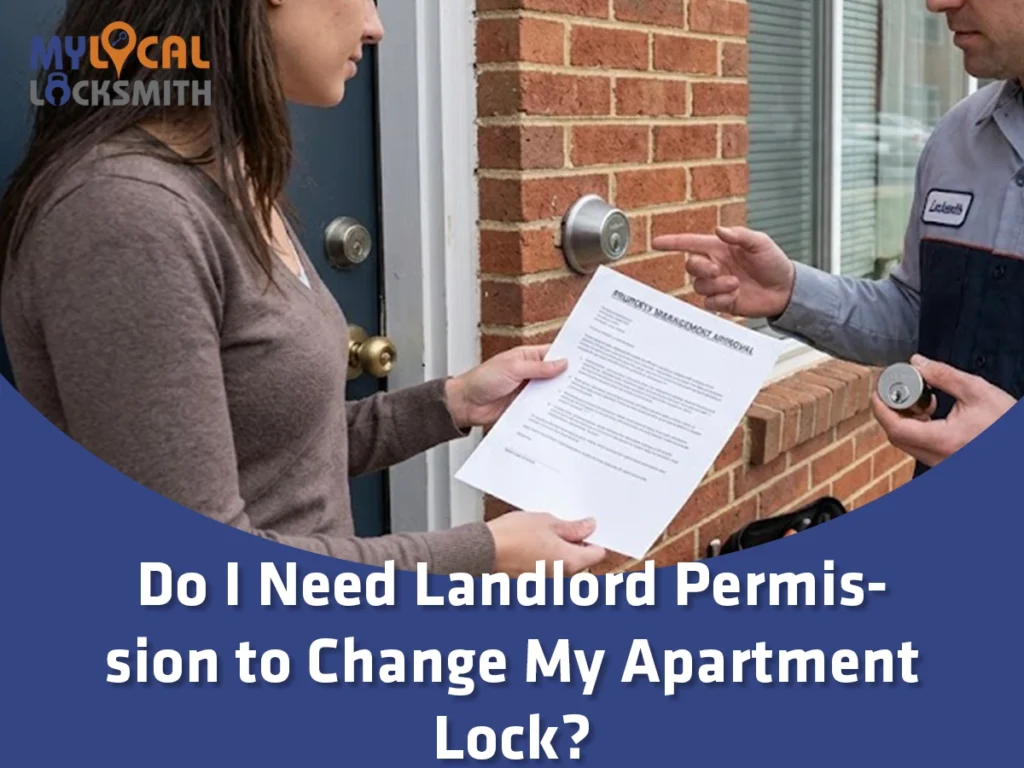
Here is the fact many renters do not expect. Under Texas law, a rental security device becomes a fixture of the dwelling. A tenant generally may not remove, change, rekey, replace, or alter it without landlord permission. So, do I need landlord permission to change my apartment lock? In most ordinary situations, yes. Ask the landlord or property manager before hiring a locksmith or changing the hardware yourself.
AI Overview: Texas Property Code section 92.163 generally says a tenant may not remove, change, rekey, replace, or alter a rental security device without landlord permission. The law contains narrow exceptions tied to specific tenant remedies, but those should not be treated as general permission for a do it yourself lock change. Texas law also places duties on landlords. A landlord generally must rekey keyed security devices after tenant turnover within the statutory time and must perform additional rekeying or changes when properly requested, with cost rules depending on the reason. Arlington renters should read the lease, make a clear written request, explain the security concern, and wait for written approval or property management instructions. A locksmith should verify the tenant’s identity, occupancy, and authority before changing rental property hardware.
This article gives general information. It is not legal advice. A lease, court order, safety issue, or special statutory right can change the proper next step.
- Start with the lease and a written request to management.
- Do not assume paying for the lock gives you authority to change it.
The safest plan protects your security while preserving lawful owner access and a clear record of approval.
Texas Law Makes Permission the Starting Point
The key rule appears in Texas Property Code section 92.163. The official Texas statute on tenant alteration of security devices says installed, changed, or rekeyed security devices become fixtures.
The section then states that tenants generally may not change those devices without landlord permission. It lists removal, changing, rekeying, replacement, and alteration.
That broad wording matters:
- Replacing the whole deadbolt can require permission.
- Rekeying the existing cylinder can also require permission.
Adding a smart lock may count as changing or altering the security device. Removing the owner’s cylinder and saving it for later does not erase the permission issue.
The statute has limited exceptions connected to certain repair and deduct remedies. Those exceptions have legal conditions. They are not a shortcut for a normal upgrade request.
When the situation is disputed or urgent, seek advice from a qualified Texas attorney or legal aid group. A locksmith should not interpret a contested lease for either side.
Why the Landlord Needs to Stay in the Loop
An apartment lock affects more than the tenant’s daily entry. It also affects emergency access, repairs, inspections, maintenance, and property operations.
The landlord may need a working management key under the lease and applicable law. The property may also use a master key system or approved hardware standard.
Permission helps confirm:
- Which lock, cylinder, finish, keyway, and installation method are approved.
- Who receives copies and who pays for the authorized work.
It also prevents a well meant upgrade from creating an access, warranty, or door damage problem.
The practical point is simple. The owner controls the property hardware. The tenant has a strong interest in safe access. Written coordination protects both.
Your Lease May Add Clear Lock Rules
The statute is not the only document to read. Your lease may state how to report a lost key, request a rekey, replace a damaged lock, or ask for added security.
Look for sections about:
- Locks, keys, security devices, alterations, repairs, and landlord access.
- Fees, replacement keys, emergency maintenance, and move out duties.
Some leases require all requests to go through a resident portal. Others name an office, email address, or emergency line.
If management approves the change, ask whether it will hire its own vendor. Some properties require staff or a contracted locksmith to perform the work.
Ask whether the old cylinder must be stored or returned. Do not discard property owned by the landlord.
Texas Landlords Have Rekeying Duties Too
Permission does not mean a landlord may ignore every lock concern. Texas law creates duties concerning certain residential security devices.
Texas Property Code section 92.156 addresses rekeying. The official Texas rekeying statute generally requires the landlord to rekey a keyed, card, or combination security device after tenant turnover by the statutory deadline.
The law also addresses extra requests:
- A landlord must perform additional rekeying or change a security device when requested by the tenant.
- The tenant may be responsible for that additional expense, subject to the law and circumstances.
The exact cost responsibility can depend on why the work is needed and which section applies. Do not assume either side always pays.
If you just moved in and doubt whether the lock was rekeyed, ask management directly. Request the date or confirmation in writing.
For a broader move in checklist, review how to secure home locks after moving in. Renters should adapt each step to their lease and landlord approval.
Rekeying May Solve the Problem Without New Hardware
Many renters say change the lock when they really want old keys to stop working. Rekeying may solve that issue while keeping the approved lockset.
During a rekey, the cylinder is configured to accept a new key. The old operating key should no longer open that cylinder after correct work.
Rekeying may fit when:
- The existing lock is approved, secure, compatible, and in good condition.
- The main concern is lost keys, unknown copies, or a recent access change.
Replacement may be better when the hardware is damaged, worn, incompatible, or unsafe. Management should approve that scope too.
Our comparison of rekeying and lock replacement explains the mechanical difference. In a rental, authorization remains an added step.
Make the Request in Writing
Even when an oral request might satisfy a legal rule, written communication is usually the cleaner practical choice. It creates a date, reason, and response.
Keep the message short. Include:
- The unit number, lock location, and current problem.
- Whether the key was lost, stolen, copied, damaged, or simply returned poorly.
Ask what action management approves. Do they want a rekey, repair, cylinder replacement, or full lock replacement?
Also, ask who schedules the locksmith and who pays. Request the answer in writing before work begins.
If a key was stolen with identifying information, say so. Save the request, response, invoice, and new key receipt.
What Written Permission Should Cover
A vague yes can still cause trouble. The approval should identify the work clearly enough for the locksmith and property manager.
Useful details include:
- The approved door, lock type, service, and responsible payer.
- Whether management needs a key, code, credential, or installation record.
Ask whether the property requires a specific brand, keyway, master system, finish, or vendor. Apartment communities often standardize hardware for maintenance.
The locksmith should have a management contact if questions arise. Work should pause if the approved scope differs from the installed door.
Never ask a locksmith to hide the change from management. That puts the technician in the middle of a property dispute.
Can a Tenant Install a Smart Lock?
A smart lock is still a lock. It can alter the cylinder, deadbolt, mounting holes, keys, access codes, and owner access.
Therefore, ask permission before installation. Do not rely on the claim that a product is renter friendly.
The approval should answer:
- May the existing hardware be removed, covered, or adapted?
- How will management enter for lawful access or emergencies?
If management allows the device, confirm who controls the account, codes, batteries, old parts, and move out reset.
Our guide to the best locks for apartments and rental properties can help frame the security questions. The lease and written approval still control the project.
Lost Keys Need a Fast but Documented Response
A lost apartment key creates two separate questions. First, can someone connect the key to your unit? Second, who must authorize and arrange the rekey?
Contact management promptly when:
- The key was stolen or lost with your address, identification, or unit information.
- A former roommate, worker, guest, or partner may still have a copy.
Explain the risk without exaggerating what you know. A missing key does not prove someone will use it. Still, key control has changed.
Ask whether management has an emergency rekey process. Follow the approved route and keep a record of the report.
For everyday prevention, use a clear key management plan for every authorized occupant.
A Broken or Unsafe Lock Should Be Reported
If the apartment lock will not secure the door, report it through the lease process at once. State whether the bolt, cylinder, key, latch, strike, or door is failing.
Useful evidence includes:
- A clear photo or video that does not reveal key cuts or access codes.
- The time the problem began and whether the door can still lock from inside.
If there is an immediate threat, contact emergency services and use a safe location. A maintenance ticket is not a substitute for urgent personal safety help.
The landlord’s repair duties and the tenant’s remedies can depend on notice, facts, timing, and statutory conditions. Get legal help when those rights are disputed.
A locksmith can describe the physical fault. Legal responsibility for the repair is a different question.
Special Safety Situations Need Care
Family violence, stalking, threats, court orders, and similar events can involve special legal rights or urgent procedures. A general blog cannot decide which law applies to one person.
Use these priorities:
- Get to a safe place and contact emergency services when danger is immediate.
- Ask a Texas attorney or legal aid group about rights tied to your facts.
Do not rely on a standard lease answer when a protective order or special statute may apply.
Likewise, do not secretly change the lock and assume urgency erases every rule. Get qualified help as soon as it is safe.
The goal is both safety and a lawful access plan. Those needs can be handled together with the right support.
A Locksmith Should Verify Authority
A professional locksmith should not change rental property locks based only on a verbal claim at the door. The technician needs reasonable proof of identity, occupancy, and authority.
Be ready to provide:
- Government identification and proof that you lawfully occupy the unit.
- Written landlord or property management approval for the stated work.
The locksmith may contact management to confirm the scope. That is a good practice, not an inconvenience.
If the property uses a master key system, management must coordinate the correct keyway and records. An outside locksmith should not defeat that plan.
Texas regulates locksmiths through its private security program. The Texas Department of Public Safety provides licensing and registration resources, including a license search.
You can also review why hiring a licensed residential locksmith matters before choosing a provider.
Who Pays for the Lock Change?
There is no honest one answer for every apartment lock job. Payment can depend on the statute, lease, cause, request, and approved scope.
The landlord may pay when:
- The law or lease places the duty on the landlord.
- The existing security device failed through covered wear or required service.
The tenant may pay for an additional requested rekey or damage caused by the tenant, occupant, family member, or guest. However, the exact charge needs legal and lease context.
Do not deduct a locksmith bill from rent without qualified legal guidance and full compliance with any applicable remedy. Repair and deduct rules are narrow.
Money matters, but authorization comes first. Paying the full invoice does not turn an unauthorized change into an approved one.
What Happens After an Approved Change?
The job is not finished when the new key turns. The landlord and tenant need a clean handoff.
Confirm:
- Every authorized key works and every old key has been tested as invalid when rekeying was intended.
- Management receives the approved key, code, or credential under the agreed process.
The locksmith should test the lock from both sides when the design allows it. The bolt must extend fully without scraping.
Keep the invoice and approval together. Record how many keys were issued and to whom.
If a smart lock was installed, confirm account ownership and move out duties. Remove temporary installer access after testing.
Two Honest Arlington Apartment Examples
These examples are illustrative. They show how permission and lock condition can change the service plan. They do not describe named customers or completed jobs.
Example one: a tenant loses an unmarked key
An Arlington renter loses one apartment key. The key has no address or unit label. The tenant reports it through the resident portal. Management approves a rekey and names its preferred locksmith.
The work can proceed within that written scope.
- Management keeps its approved access plan.
- The tenant receives new keys and a documented invoice.
Example two: a tenant buys a smart lock first
Another renter buys a smart deadbolt and removes the existing cylinder without asking. The new unit does not match the property key system.
The clean next step is to stop and contact management.
- The tenant may need to restore the original approved hardware.
- Management can decide whether a compatible smart option is allowed.
These examples show why permission belongs at the beginning, not the end.
A Simple Request Template for Renters
You do not need a long legal letter for an ordinary request. Clear facts are better.
Include these points:
- What happened, which lock is involved, and whether the unit can secure.
- What you are requesting and how quickly you need a response.
A simple message could say:
“I am requesting written approval and instructions to rekey or replace the front door lock for Unit ____. The reason is ____. Please confirm who will arrange the locksmith, who will pay, and how management should receive the new key.”
If management responds by phone, send a short written note confirming what was approved.
Do I Need Landlord Permission to Change My Apartment Lock? Final Answer
Yes, Texas renters generally need landlord permission before changing, rekeying, replacing, removing, or altering an apartment security device.
At the same time, landlords have legal duties concerning required locks and rekeying. A tenant may request added work, and cost responsibility depends on the facts and law.
Use this order:
- Read the lease and report the concern in writing.
- Get a clear written approval and service plan before hiring a locksmith.
Then confirm the hardware, payer, vendor, management key, and move out requirements.
Do not let urgency turn into secret work. If the risk is immediate, protect yourself and contact emergency services. Then seek qualified legal guidance.
For an ordinary lost key, broken lock, or upgrade, coordination is usually faster than a dispute. Management knows the property system. A locksmith knows the hardware.
When both sides approve the same plan, the lock can be changed safely, legally, and with a clear record.
Frequently Asked Questions
Can a Texas tenant change the locks without permission?
Texas Property Code section 92.163 generally says a tenant may not remove, change, rekey, replace, or alter a rental security device without landlord permission. Narrow statutory remedies may apply in specific cases, but they are not general permission. Read the lease, make a written request, and seek legal advice when rights are disputed.
Can I ask my landlord to rekey my apartment?
Yes. Texas law addresses tenant requests for additional rekeying or changes to security devices. The tenant may have to pay, depending on the reason and applicable law. Make the request through the method required by your lease. Ask management to confirm the approved work, vendor, timing, cost, and key handoff.
Can I install a smart lock on a rented apartment?
Ask for written landlord approval first. A smart lock can change the deadbolt, cylinder, mounting, keys, codes, and management access. Approval should cover the model, installation method, account ownership, emergency access, old hardware, and move out restoration. A product described as renter friendly does not override Texas law or the lease.
What should I do if my apartment key is lost?
Report the loss to management promptly, especially if the key was stolen or linked to your address. Explain what is known without claiming a threat you cannot confirm. Ask whether management will rekey the unit and who pays. Do not secretly change the lock. Keep the approval, invoice, and new key record.
What if my landlord will not repair a broken lock?
Give notice using the method required by your lease and keep proof. Texas landlord duties and tenant remedies depend on the security device, condition, notice, timing, and other facts. Do not assume you may change the lock or deduct the bill from rent. Seek advice from a Texas attorney or legal aid provider.
Contact My Local Locksmith – Arlington
Have written approval for an apartment rekey, repair, or lock replacement? My Local Locksmith – Arlington can inspect the approved hardware, explain the physical options, and complete the authorized work while protecting the door and key plan.
- Address: 805 Washington Dr a1, Arlington, TX 76011
- Main Phone: 682-253-1593
- Website: www.mylocallocksmithtx.com