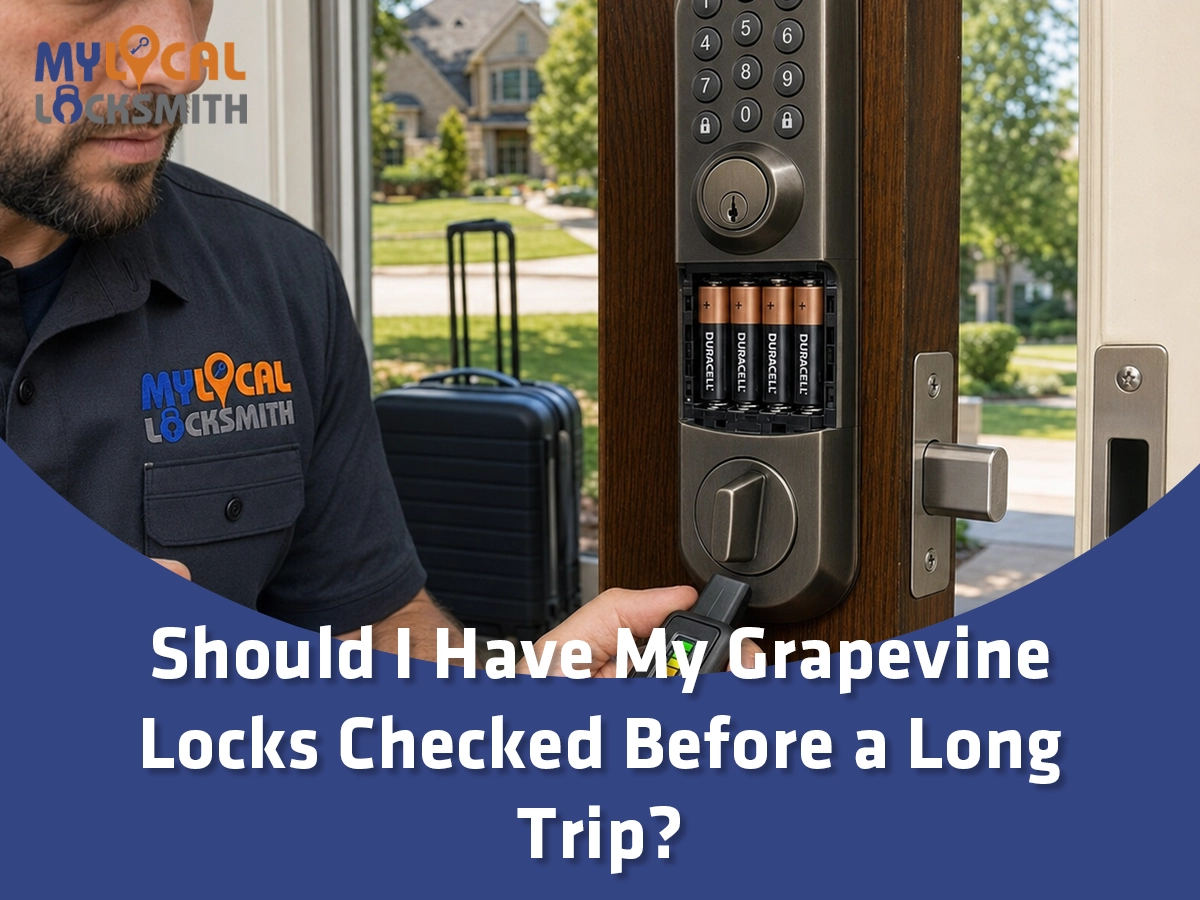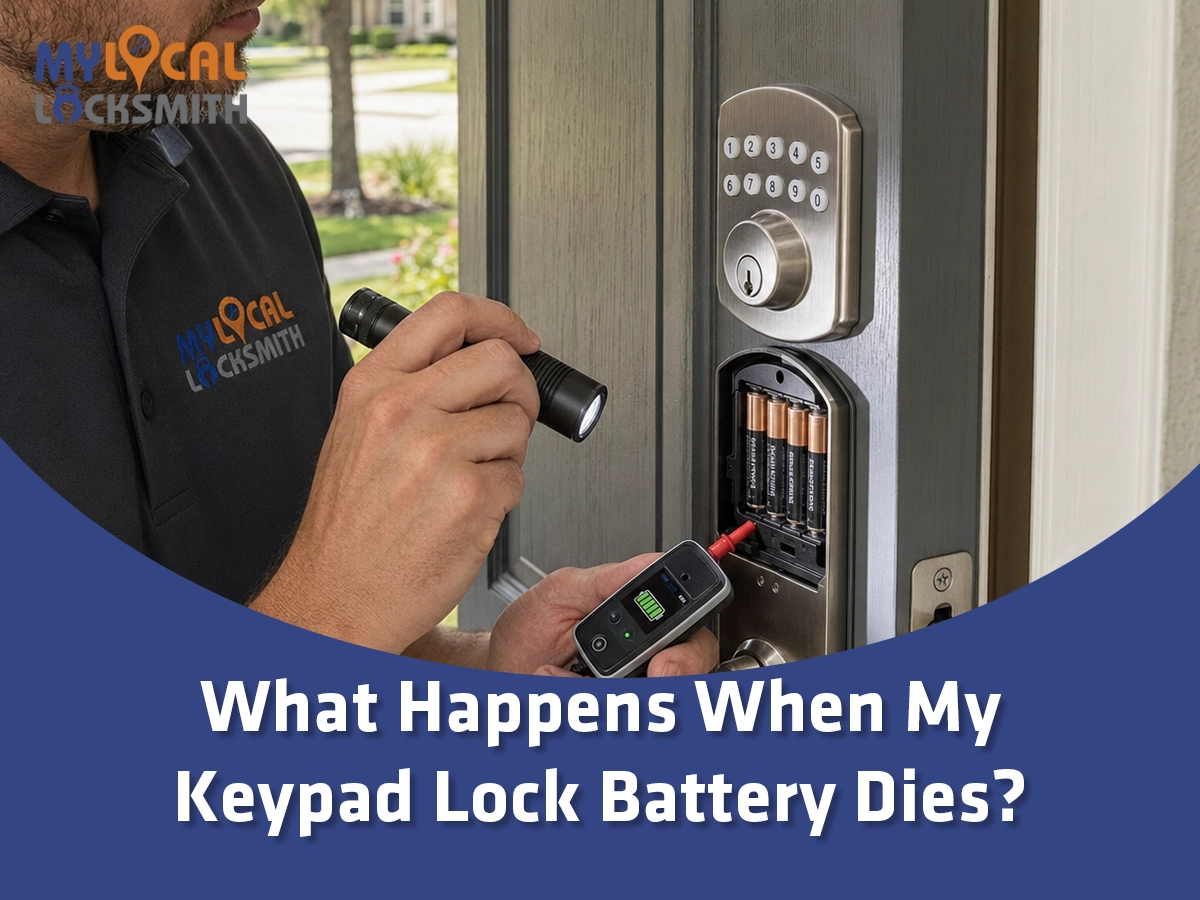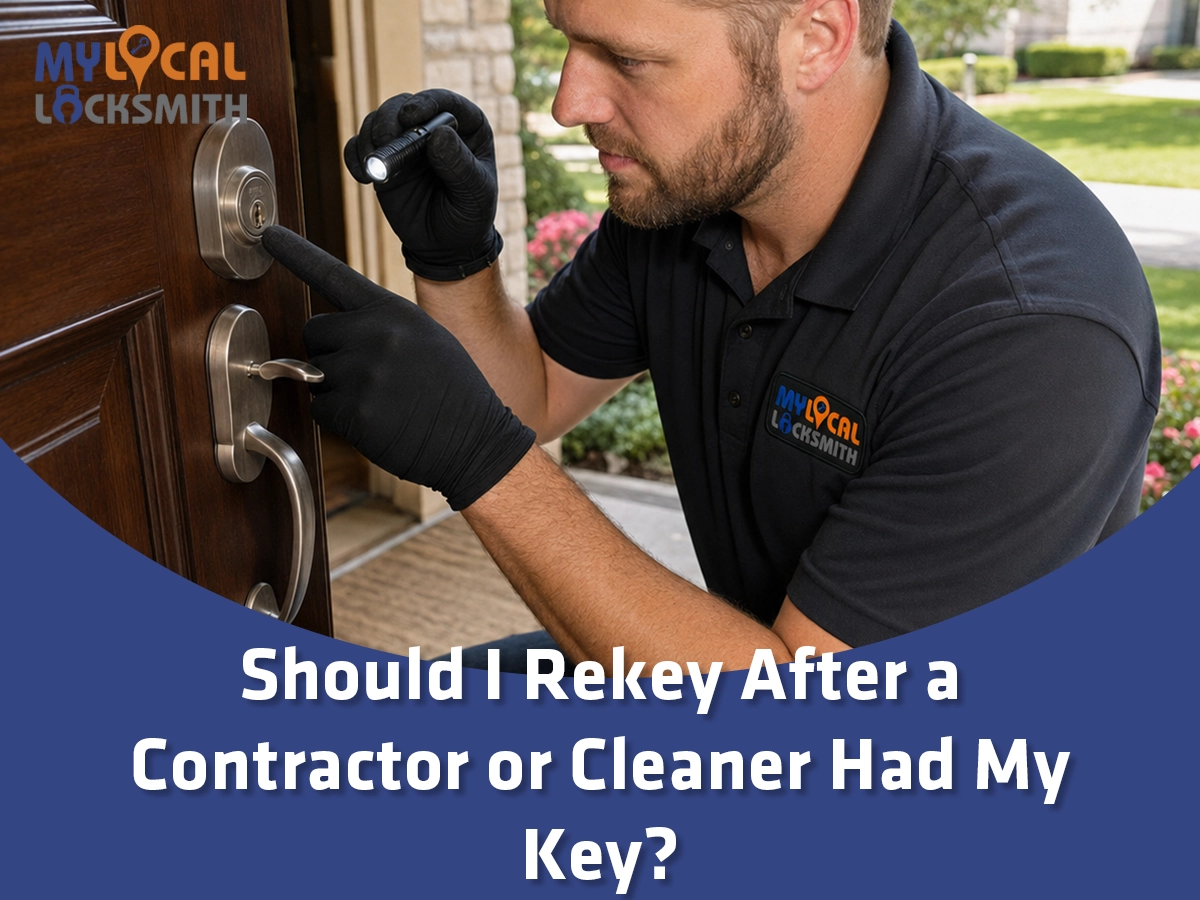
A Smart Lock Check Can Protect Your Travel Plans
Here is a surprising local fact: Grapevine residents can request an official vacation watch before leaving town. Still, it raises one useful question: Should I Have My Grapevine Locks Checked Before a Long Trip? A lock check can reveal faults before a long absence. It can prevent a rushed departure day repair.
AI Overview
Yes, consider checking your Grapevine locks before a long trip. Test every outside door, deadbolt, latch, strike, key, and smart lock. Correct sticking, loose parts, poor alignment, worn keys, and weak batteries before leaving. Also, review who holds spare keys.
Begin several days before travel, not while loading the car. Repair faults that prevent full locking. Rekey when key control is uncertain. Replace hardware when damage or wear makes repair unwise. Then add mail handling, lighting, cameras, alarms, and trusted local support.
- Treat doors, keys, codes, and frames as one security system.
- Keep every change simple enough for household members and trusted helpers.
Understand Why a Pretrip Lock Check Matters
A long absence changes how a small lock problem affects you. You cannot hear a loose latch or notice a door drifting open. Also, you cannot test a remote alert from the other side of town.
The goal is not to create fear. Instead, the goal is to remove known faults before they become urgent. A routine check gives you time to compare repair choices.
Travel also changes access needs. A neighbor, pet sitter, relative, or service provider may need approved entry. Therefore, key and code planning deserves the same care as hardware.
- Check locks early enough to schedule needed service.
- Record who may enter and how their access will work.
- Remove access that no longer has a valid purpose.
In our professional opinion, timing matters almost as much as the hardware. A careful review one week early is more useful than a rushed test.
Walk Every Entry Point Before You Pack
Homeowners often focus on the front door. Yet a complete review includes side doors, patio doors, garage entries, and accessible windows. Sheds and gates may also protect tools that could aid forced entry.
Start outside during daylight. Look for loose trim, damaged glass, split wood, rust, and exposed screws. Then repeat the review from inside.
Open and close each door normally. Watch whether it rubs, drops, rattles, or needs a hard push. These signs can point to alignment trouble.
Next, lock each door and test it gently. The bolt should enter its receiver without lifting or pulling the door. Never kick, pry, or strike it.
- Include doors that household members rarely use.
- Check the door between an attached garage and the home.
- Confirm that patio door locks and added restraints work together.
This walk can uncover the most overlooked security risks in modern homes. It also creates a clear list for repairs.
Test Each Deadbolt, Latch, Key, and Door Frame
A lock is only one part of an entry. The bolt, strike, jamb, hinges, and door must work as a group. Therefore, test the whole path.
Insert each approved key and turn it gently. A key should not need wiggling or strong pressure. Compare duplicate keys because one worn copy may fail first.
Next, watch the deadbolt while the door remains open. Then test it again with the door closed. A smooth open door test followed by binding often suggests alignment trouble.
Inspect the strike screws and nearby wood. Loose hardware, cracks, or soft material deserve attention. However, do not install random long screws near glass or hidden wiring.
- Confirm full bolt travel with the door closed.
- Check both sides of every lock for loose trim.
- Retire bent, cracked, or badly worn keys.
Routine checks support the same goals explained in why lock maintenance matters for home security. Smooth use and secure engagement should exist together.
Decide Whether to Adjust, Repair, Rekey, or Replace
Different problems require different responses. An adjustment can correct a shifted strike or loose hinge. A repair may restore sound hardware with a worn internal part.
Rekeying changes which keys operate the existing lock. It can make sense when the hardware remains suitable, but key control is uncertain. Replacement provides new hardware when the current lock is damaged, outdated, or incompatible.
Do not choose by price alone. First, identify the defect and the desired access plan. Then compare the useful life, security, warranty, and daily operation.
You may need rekeying when an old house sitter still has a key. You may need repair when a bolt binds. Replacement may suit a cracked housing or badly damaged lock.
- Adjust when sound parts no longer align correctly.
- Repair when compatible hardware can safely return to normal use.
- Rekey when valid access should stay, but old keys should stop working.
The guide on how often you should change door locks explains why events matter more than a fixed calendar. A trip can be a useful review point.
Prepare Smart Locks for Reliable Travel Access
Smart locks add useful tools, but they also add batteries, codes, apps, and network settings. Test each feature before relying on it remotely.
Replace batteries when the manufacturer recommends it. Do not mix old and new cells. Also, use the correct battery type for the exact model.
Check the manual key override if the lock includes one. Store that key securely. A remote app cannot fix a mechanical bolt that binds against the frame.
Review user codes. Delete old codes and create a temporary code for an approved helper. If supported, limit that code by date or time.
Test notifications from another connection. Home wireless access can hide a mobile data problem. Therefore, leave the property briefly and confirm remote access.
- Update the app and lock software before the trip.
- Verify battery status, alerts, codes, and manual entry.
- Check that the deadbolt moves freely without motor strain.
Avoid making major smart home changes the night before departure. New settings need time for testing. A stable system is better than an untested feature.
Regain Clear Control of Keys and Access Codes
Key control answers one basic question: who can enter your home today? Many households cannot account for every copy. Travel is a good time to correct that uncertainty.
List keys held by relatives, neighbors, contractors, cleaners, sitters, and former occupants. Ask for unused keys back. However, remember that returning a key cannot prove no copy exists.
Rekeying may restore control when an unknown key matters. Still, it does not repair a weak frame or broken lock. Both access control and hardware condition need review.
Do not hide a spare beneath a mat, planter, or decorative rock. Those locations are predictable. Give one approved key directly to a trusted person.
- Label access by person and purpose, not by a visible home address.
- Cancel codes when the related task or trip ends.
- Keep a backup method separate from the primary method.
A simple access list can prevent confusion. It also helps you revoke only the right credential after returning home.
Secure Garage, Patio, Side, and Interior Doors
The garage often holds vehicles, remotes, ladders, and tools. It may also connect directly to the living space. Therefore, treat its interior entry as an outside door.
Confirm the garage door closes fully. Test its manual lock only according to the opener instructions. Never disable safety features or trap occupants inside.
Remove vehicle remotes from cars left outdoors when practical. Also, avoid leaving keys visible near a window. A trusted helper should know which entry method is approved.
Patio doors need the correct lock for their design. Sliding panels may use track restraints or pins. Hinged patio doors rely on sound latches, bolts, frames, and hinges.
Side gates can control access to hidden doors and windows. Their locks should work without blocking emergency routes or utility access.
- Lock the door between the garage and living area.
- Secure ladders and tools that remain outside the home.
- Test patio door locks without using improvised force.
Layered planning reduces reliance on one front door deadbolt. It also helps a trusted person inspect the property without guessing.
Combine Strong Locks with a Grapevine Vacation Watch
Grapevine’s official website includes a way to request a vacation watch. Check current eligibility, instructions, and service details before depending on it.
A vacation watch can add local awareness. However, it does not repair a sticking deadbolt or manage private keys. Complete those tasks before submitting travel details.
Share only necessary information through the official process. Do not post departure dates on public social accounts. Save trip photos for your return.
Tell one trusted local contact about the plan. That person may help with a delivery, weather event, alarm, or access problem. Choose someone who can respond responsibly.
- Use the official city link when requesting a vacation watch.
- Keep emergency contact information current.
- Avoid public posts that reveal an empty home.
Public support works best beside private preparation. Locks provide the physical barrier, while local planning supports awareness and response.
Stop Mail, Packages, and Visible Signs of Absence
An unused door can still reveal that nobody is home. Mail, packages, flyers, and bins can build a visible pattern. Therefore, manage deliveries before leaving.
The USPS Hold Mail service can hold mail for three to thirty days. Review the current rules and identity steps on the official page.
Pause recurring deliveries when possible. Ask a trusted person to collect unexpected items. Avoid giving broad access when porch pickup is enough.
Keep blinds and curtains in a normal position. A sudden complete closure can look unusual. Still, block clear views of valuables and sensitive areas.
- Arrange mail and package handling before the final day.
- Ask someone to remove flyers and move bins when needed.
- Use light schedules that resemble normal household use.
These steps do not strengthen a lock. Instead, they reduce visible signs that the property is unattended.
Test Cameras, Alarms, Lighting, and Alerts
Cameras and alarms add detection, not physical strength. A solid lock remains important even when every sensor works. Use both layers for different jobs.
Clean camera lenses and confirm the view. Then test recordings, time settings, storage, and mobile alerts. A camera facing the wrong direction offers little useful detail.
Arm the alarm in its planned travel mode. Confirm which doors, windows, and motion areas are active. Update the monitoring contact list if applicable.
Test outdoor lights after dark. Replace failed bulbs and correct timers. Avoid glare that hides faces or creates dark areas beside the door.
- Confirm every device has power and a working connection.
- Test alerts while your phone uses mobile data.
- Review who can view cameras or change alarm settings.
For more detail, see how security cameras can transform home safety. Cameras work best when placement, lighting, privacy, and response plans align.
Follow a Calm Timeline Instead of Rushing
Begin the lock review one or two weeks before travel. This window leaves time for parts, appointments, and repeat testing. It also reduces pressure.
Five to seven days before leaving, complete repairs and access changes. Test new keys and codes several times. Give helpers time to ask questions.
One or two days before departure, test all locks again. Confirm mail plans, lighting, alarms, and cameras. Check the weather for possible property needs.
On departure day, perform a final walk without changing settings. Lock each planned entry and confirm the garage closes. Then leave without posting the trip.
- Schedule repairs well before packing begins.
- Finish access changes before giving instructions to helpers.
- Save the final day for confirmation, not major installation.
- Keep a written checklist that another adult can verify.
If a new lock fails during testing, address it immediately. Do not assume repeated force will improve its operation.
Learn from This Clear Illustrative Example
Consider an illustrative homeowner example, not a reported customer case. A family plans a two week trip from Grapevine. Their front deadbolt works, but the garage entry key sticks.
The household also finds two active smart lock codes from past helpers. One camera has stopped sending mobile alerts. These issues involve three different security layers.
First, a locksmith diagnoses the sticking lock and checks alignment. Next, the family removes unused codes and tests the remaining access. Finally, they restore alerts and assign one trusted contact.
The family also requests a vacation watch and arranges mail handling. No single step claims to guarantee protection. Together, the steps remove known faults and create a response plan.
- Hardware service addresses the sticking garage entry lock.
- Code cleanup restores clearer access control.
- Camera testing improves awareness while the family travels.
- Local support provides a practical response option.
This example shows why a lock check should lead to action. A checklist has little value when a known fault remains unfixed.
Know When a Professional Lock Check Is Wise
Call a qualified locksmith when a bolt will not extend fully. Professional help is also wise for broken keys, loose cylinders, damaged frames, and uncertain key control.
Smart lock motor strain may come from poor alignment, not failed electronics. A locksmith can separate the mechanical issue from the access feature. That diagnosis can prevent an unnecessary replacement.
A useful inspection should explain each finding. Ask whether the best answer is adjustment, repair, rekeying, or replacement. Also, request clear pricing before approving work.
Texas includes locksmiths within its regulated private security profession. The Department of Public Safety provides licensing and consumer information for checking applicable credentials.
- Choose a provider who inspects before recommending parts.
- Ask which fault each proposed service will correct.
- Test every serviced key, code, and lock before the technician leaves.
- Keep the written scope and warranty information.
Do not wait until the night before travel when a known fault already exists. Early service gives you time to confirm reliable operation.
Use This Powerful Final Departure Checklist
A final checklist should confirm earlier work, not introduce new systems. Walk the same route each time so no entry gets missed.
Begin at the least used exterior door. Move through patio, garage, side, and front entries. Then review windows, gates, sheds, alarms, cameras, and deliveries.
Keep the list short enough to finish. Assign one person to check and another to confirm. This simple method can reduce forgotten steps.
- Lock every approved exterior entry and accessible window.
- Confirm smart lock batteries, codes, alerts, and manual backup.
- Remove hidden spare keys and cancel unused access.
- Arm alarms and test the planned camera connection.
- Verify mail, package, lighting, and trusted contact plans.
- Submit any vacation watch request through the official channel.
Take photos only for your private record when useful. Do not expose lock details, key cuts, access codes, or travel dates online.
Conclusion: Should I Have My Grapevine Locks Checked Before a Long Trip?
Should I Have My Grapevine Locks Checked Before a Long Trip? Yes, especially when any lock sticks, rattles, binds, or has uncertain keys. Check early enough to fix what you find.
Start with every entry point. Then test keys, bolts, frames, smart features, and backup access. Finally, combine sound locks with mail control, detection, and local support.
No checklist can promise that an incident will never happen. However, careful preparation can remove known weaknesses. It can also give trusted people a safer response plan.
- Repair faults before the house sits empty.
- Rekey when you no longer control valid keys.
- Replace hardware when damage or wear limits safe service.
- Test every layer again before departure.
For a professional pretrip lock check in Grapevine, contact My Local Locksmith – Grapevine.
Frequently Asked Questions
How far before a trip should I have my locks checked?
Start one or two weeks before departure when possible. That timing allows diagnosis, parts, service, and repeat testing without last minute pressure. Complete repairs several days before leaving. Then perform a simple final check on departure day. If a lock already binds or has visible damage, arrange service sooner.
Should I rekey my home before going on vacation?
Rekeying may be wise when former occupants, workers, helpers, or unknown people could still hold valid keys. It is not required solely because you travel. First, review who has access and inspect the hardware. Rekeying restores key control, while repair or replacement addresses damage and poor operation.
What should I do with a spare key while traveling?
Give a spare directly to one trusted local person when access may be needed. Avoid common hiding places near the door. Explain when the key may be used and how to contact you. After the trip, recover the key or cancel a temporary code. Never attach your full address to the key.
How should I prepare a smart lock before a long trip?
Check battery status, manufacturer updates, user codes, notifications, and remote access. Test the lock while your phone uses mobile data. Also, confirm the mechanical bolt moves freely and prepare a secure backup entry method. Avoid installing major new features immediately before leaving because every change needs careful testing.
Is a vacation watch enough to secure an empty home?
A vacation watch can add local awareness, but it does not replace locks, alarms, or private access planning. Check current Grapevine rules through the official city website. Before leaving, repair faulty locks, manage mail, test alerts, and choose a trusted contact. Use several practical layers instead of relying on one service.
Contact us at
Address: 1021 S Main St #104, Grapevine, TX 76051
Main Phone: 817-952-5256
Website: http://mylocallocksmithtx.com/my-local-locksmith-in-grapevine/