A Hidden Entry Door Deserves Serious Attention
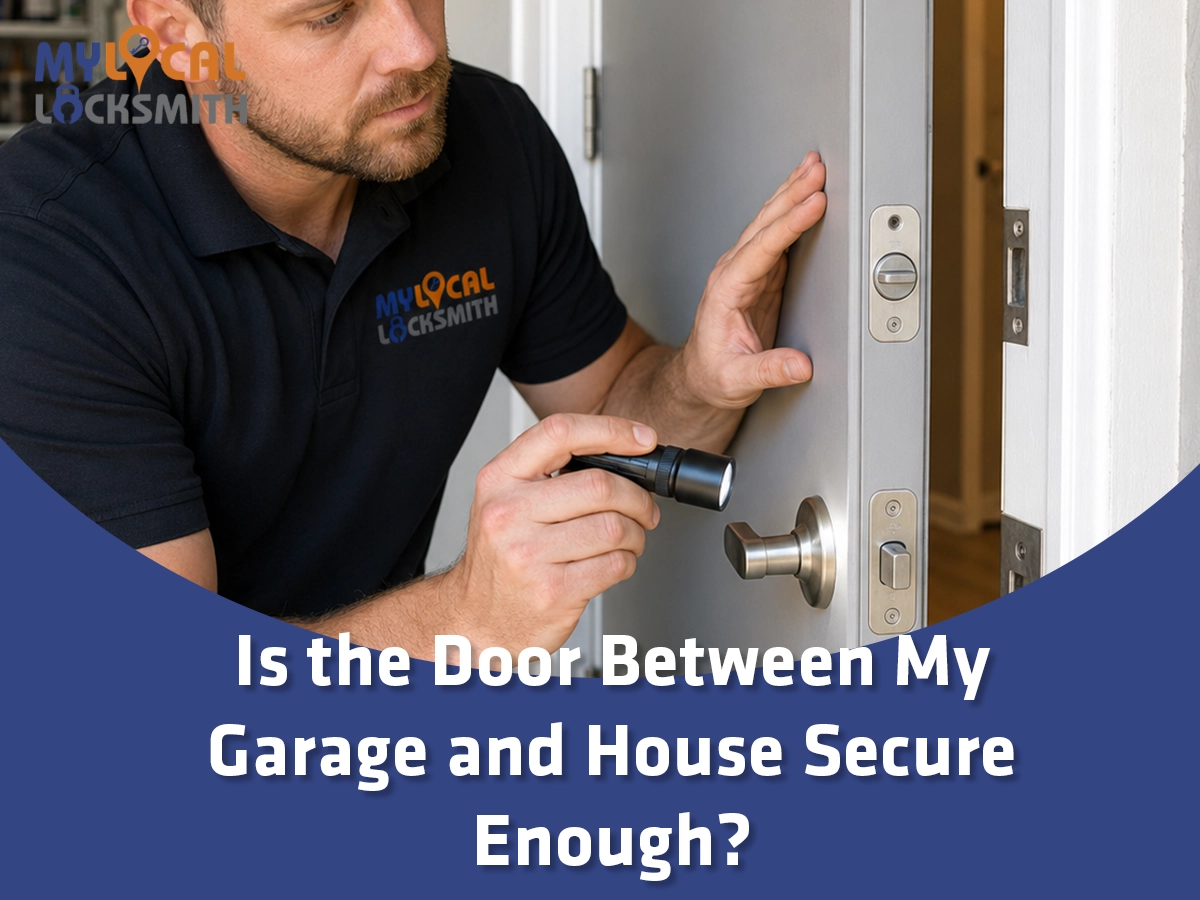
Here is a surprising local fact: Grapevine code lists several door types between a private garage and a residence. Therefore, a visible fire label is not the only possible code path. Still, Is the Door Between My Garage and House Secure Enough? Security depends on the door, lock, frame, closure, key control, and use.
AI Overview
Treat the door between an attached garage and house as an exterior entry. Check that the door is suitable, solid, undamaged, and properly fitted. Then test the latch, deadbolt, strike, frame, hinges, seals, keys, and closing action.
Code compliance and burglary resistance are different questions. Local rules address garage separation and prohibited openings into sleeping rooms. Security also requires reliable locks and sound framing. Carbon monoxide alarms and safe garage habits add essential protection.
- Inspect the complete opening instead of judging the lock alone.
- Verify current code questions with Grapevine Building Services before altering a required separation.
Understand Why This Door Carries Several Jobs
The garage entry sits between two very different spaces. One side may contain vehicles, tools, fuel, and an overhead door. The other side leads into the living area.
That location creates several goals. The door should limit unauthorized entry, support the required separation, close reliably, and allow safe indoor exit. One feature cannot handle every goal.
A deadbolt may resist entry, but it does not correct a hollow or damaged door. Likewise, a suitable door slab does not help when the latch misses its strike.
- Treat the garage side as an untrusted access area.
- Protect the door’s separation role during lock or frame work.
- Keep indoor exit simple for household members.
- Review the overhead garage door as a separate entry point.
Start with Grapevine’s Current Residential Code
The City of Grapevine adopted the 2021 International Residential Code with local changes. Its opening protection section addresses doors between private garages and residences.
The city’s published residential code amendment lists three door options. These include solid wood, solid or honeycomb steel, or a door with stated fire protection.
The listed wood and steel doors must meet the stated thickness. The amendment also bars direct openings from a private garage into a sleeping room.
Do not apply one online code summary to every existing home. Construction date, later work, permits, local changes, and existing conditions can affect requirements.
- Check the current local code before replacing the door.
- Ask whether the planned work needs a permit or inspection.
- Preserve required materials and assemblies during hardware changes.
- Never move the opening directly into a sleeping room.
Confirm the Door Slab Is Solid and Undamaged
Tap tests and appearance cannot prove a door’s construction. Labels, records, door edges, weight, and professional inspection provide better clues. Paint can hide useful markings.
Look for cracks, soft wood, rust, delamination, loose glass, and past drilling. Damage near the lock edge deserves close attention. A bolt needs sound material around it.
Check the full perimeter. Large or uneven gaps can show a warped door or shifted frame. However, do not add random trim that could prevent proper closure.
Garage entry doors should not include pet openings. A cutout can weaken the door and compromise its separation role. Ask a qualified professional about any alteration.
- Identify the door material and thickness before choosing hardware.
- Inspect both faces, every edge, and all cutouts.
- Check for moisture damage near the threshold.
- Replace a slab that cannot hold suitable hardware safely.
Test the Latch and Deadbolt for Full Engagement
Close the door normally and listen for the latch. Then pull gently without turning the handle. The latch should remain engaged without repeated slamming.
Next, turn the deadbolt using normal pressure. The bolt should travel fully into its receiver. Binding often points to alignment, a loose hinge, or a misplaced strike.
Test the lock again while the door is open. Smooth open door movement followed by closed door resistance usually points beyond the cylinder.
Do not force a stiff key or thumb turn. Excess pressure can break a key or damage internal parts. Find the cause before the lock fails.
- Confirm the latch holds after ordinary closure.
- Check full deadbolt travel with the door closed.
- Inspect loose cylinders, trim, handles, and screws.
- Retire bent, cracked, or badly worn keys.
Read why your door lock might be easier to break for other weak points. Smooth locking and full engagement should exist together.
Reinforce the Strike, Jamb, and Wall Connection
Force on a deadbolt travels into the strike, jamb, and nearby framing. Therefore, the strike area matters as much as the cylinder. Split or soft wood can limit resistance.
Inspect screw holes and nearby repairs. Loose screws may no longer hold. Decorative short fasteners may also fail to reach stable material.
Do not install the longest available screws without checking the opening. Hidden wiring, pipes, glass, and framing position can change the safe choice.
A qualified installer can select a compatible reinforced strike and proper fasteners. The work must not damage the door’s required separation or closing action.
- Repair damaged jamb material before adding stronger hardware.
- Match the strike opening to the latch or bolt.
- Use suitable pilot holes and fastener positions.
- Retest closure after every frame adjustment.
Check Hinges and Closing Action Without Guessing
Hinges support a heavy door and control alignment. Loose screws, worn knuckles, or bent leaves can cause sagging. A small shift may stop the latch.
Open the door and watch its path. It should move without scraping the floor or frame. Then let it close under normal conditions.
Some codes or adopted editions may require a self closing or automatic closing device. Grapevine’s published amendment must be read with the adopted code. Ask the city about your property.
Do not disable an installed closer because it feels inconvenient. Adjust or repair it with compatible parts. A slamming door may need service too.
- Tighten suitable hinge fasteners without stripping the holes.
- Replace damaged hinges with compatible rated hardware.
- Confirm the latch engages after the door closes.
- Keep stored items away from the swing path.
Protect the Separation Around the Door
The wall and ceiling between the garage and home form part of a broader separation. Door work should not leave open holes, missing trim, or damaged surrounding material.
Inspect the door perimeter for visible gaps and failed seals. A seal should not become so thick that the latch cannot engage. Fit and closure must work together.
Avoid drilling through the slab for unapproved vents, mail slots, or pet doors. These openings can weaken security and alter the intended separation.
Do not treat ordinary weatherstripping as a certified smoke or fire solution. Materials and listings have specific uses. Ask qualified professionals when the assembly is unclear.
- Keep the door edge and frame free of unapproved openings.
- Replace damaged compatible seals with suitable products.
- Protect wall and ceiling surfaces during lock work.
- Verify listed components when a rated assembly is present.
Add Carbon Monoxide Safety Beyond the Door
Carbon monoxide is colorless and odorless. A closed door may reduce movement between spaces, but it cannot replace safe vehicle practices. Never run an engine in a closed garage.
The National Fire Protection Association provides carbon monoxide safety guidance. It recommends alarms in a central location outside sleeping areas and on every level.
Follow current local rules and product instructions for placement. Test alarms as directed. Replace the device when its maker says its service life has ended.
Never ignore an alarm or symptoms. Move to fresh air and call emergency services when a carbon monoxide alarm sounds. Do not search for the source first.
- Install and maintain alarms according to applicable guidance.
- Keep vehicle exhaust systems in good repair.
- Never warm a vehicle inside a closed garage.
- Keep the garage entry door closed when not in use.
Control Keys, Remotes, and Garage Access
The garage entry lock matters only when access to its credentials remains controlled. Review house keys, keypad codes, vehicle remotes, and connected garage accounts.
A remote left inside an unlocked outdoor vehicle may provide garage access. Likewise, an old keypad code can remain active after a service relationship ends.
Rekey the house door when old physical keys are not controlled. Delete unused codes and connected users. Use unique credentials when the device supports them.
The guide on how often to change your door locks explains why events matter more than a fixed schedule. Moving and lost keys deserve prompt review.
- Remove remotes from unsecured vehicles when practical.
- Delete former resident, worker, and guest codes.
- Protect manual garage release information.
- Keep spare keys away from predictable hiding places.
Secure the Overhead Garage Door as a Separate Layer
The overhead garage door is not the same as the house entry door. Each needs its own maintenance, safety, and access plan.
Confirm the overhead door closes fully. Test safety reversal only through manufacturer instructions. Never alter springs, cables, or high tension parts without trained service.
Review exterior keypads and connected users. Remove old codes after residents, staff, or contractors leave. Protect the emergency release from improper access without blocking safe operation.
Lighting and cameras may improve awareness near the driveway. Yet they do not replace working locks. They should remain added layers.
- Keep the overhead door closed when the garage is unattended.
- Update approved codes and account users after access changes.
- Arrange qualified service for damaged springs or tracks.
- Test alerts and camera views on a routine schedule.
Decide Whether a Smart Lock Fits This Door
A smart lock can provide codes, temporary access, alerts, and remote status. However, it still depends on smooth mechanical bolt travel.
Check door thickness, hole preparation, backset, clearance, and existing hardware. Some garage entry doors use rated assemblies or uncommon parts. Compatibility should come before features.
Battery temperature also matters because garages can become hot or cold. Follow the manufacturer’s approved temperature and battery guidance for the exact model.
Keep a secure backup entry method. Network or phone access can fail. Also, protect administrator accounts and remove unused users.
- Correct binding before adding a motorized deadbolt.
- Confirm the lock is suitable for the door and environment.
- Test codes, alerts, batteries, and manual backup.
- Preserve safe indoor exit without a phone or key.
Compare a deadbolt and smart lock for your home before choosing. Convenience and physical protection deserve separate evaluation.
Compare Hardware Through Tested Performance
Product packaging often uses broad terms such as strong or secure. Tested performance offers a better comparison. Look for clear certification and model information.
The Builders Hardware Manufacturers Association explains that Grade 1 is its highest grade level. Its product grade guide also links grades to rising performance benchmarks.
Grade alone cannot make an opening secure. The slab, frame, strike, installation, and daily locking habits remain important. Choose hardware for the exact application.
- Compare certified products with documented test standards.
- Match the lock to the door material and preparation.
- Confirm full latch and bolt travel after installation.
- Keep product and warranty records.
No lock makes a home impossible to enter. Stronger hardware can add resistance when the surrounding opening is also sound.
Recognize Warning Signs That Need Prompt Action
Some problems should not wait for routine maintenance. A door that will not latch can stand open unnoticed. A deadbolt that barely enters the strike offers limited engagement.
Severe rust, cracks, loose hinges, split jambs, and soft wood also need review. Smoke staining or heat damage requires broader professional assessment.
If the door opens directly into a sleeping room, ask Grapevine Building Services about current requirements. Do not rely on a cosmetic repair.
- Act when the latch misses or releases with a light pull.
- Repair a deadbolt that cannot extend fully.
- Replace damaged door or frame material when service cannot restore it.
- Seek proper review after fire, impact, or forced entry damage.
Do not keep slamming a failing door. Repeated force can worsen alignment, loosen hardware, and hide the real problem.
Learn from This Clear Illustrative Example
Consider an illustrative example, not a reported customer case. A Grapevine homeowner has a solid garage entry door. However, the latch misses unless the door is lifted.
The deadbolt works while the door is open but binds when closed. The hinges are loose, and the strike shows repeated filing. A garage remote also remains in an outdoor vehicle.
First, a professional identifies the alignment fault and checks the door construction. Suitable hinge and strike work restores normal closure. Then the deadbolt receives full testing.
The homeowner also moves the remote and deletes an old keypad code. Carbon monoxide alarms receive a separate test under their instructions.
- Alignment work restores reliable latch engagement.
- Lock testing confirms full deadbolt travel.
- Access cleanup addresses the remote and old code.
- Alarm testing supports a separate life safety layer.
This example shows why replacing only the deadbolt could miss the actual cause. A complete review finds connected weaknesses.
Request a Complete Professional Assessment
A useful assessment should cover more than the cylinder. Ask the locksmith to inspect the slab, latch, bolt, strike, jamb, hinges, keys, and closing action.
Explain any rubbing, rattling, slamming, or failed closure. Also, mention past forced entry, water damage, or fire. Those facts can change the scope.
Request clear repair and replacement options. Each option should explain what problem it solves. Ask before any drilling or visible alteration begins.
- Choose a provider who checks mechanical fit before selling hardware.
- Ask how the work affects closure and the surrounding door assembly.
- Review pricing, parts, and warranty terms before approval.
- Test every key and lock after service.
Use city officials for code decisions and qualified alarm professionals for detector work. A locksmith’s role centers on access and door hardware.
In our professional opinion, a complete assessment prevents a new lock from hiding a frame problem.
Use This Powerful Garage Entry Checklist
Walk through this list in daylight, then repeat key lighting checks after dark. Do not perform destructive strength tests.
- Identify the door material, thickness, condition, and any labels.
- Confirm the opening does not lead directly into a sleeping room.
- Test ordinary closure and full latch engagement.
- Test complete deadbolt travel without force.
- Inspect the strike, jamb, hinges, frame, and surrounding surfaces.
- Review keys, remotes, keypad codes, and connected accounts.
- Check overhead door operation through approved instructions.
- Test carbon monoxide alarms as their makers direct.
- Arrange service for every known failure.
Document what you find. A simple photo and note can help a professional understand changes over time.
Conclusion: Is the Door Between My Garage and House Secure Enough?
Is the Door Between My Garage and House Secure Enough? It may be when the complete opening supports security, separation, closure, and safe use.
Start with the local door requirements. Then inspect the slab, latch, deadbolt, strike, frame, hinges, and credentials. Add carbon monoxide protection and safe garage habits.
Do not judge the opening by one new lock. A strong system combines suitable materials, correct installation, full engagement, and controlled access.
- Repair alignment and damage before adding optional features.
- Replace parts that cannot return to reliable service.
- Verify code questions with Grapevine Building Services.
- Test every security and safety layer on a routine schedule.
For a garage entry lock assessment in Grapevine, contact My Local Locksmith – Grapevine.
Frequently Asked Questions
Does the door between my garage and house need a deadbolt?
Local building rules address the door and separation, while a deadbolt addresses access resistance. The exact requirement can depend on current code and existing conditions. A compatible deadbolt may improve security when the slab, frame, and exit operation support it. Ask Grapevine Building Services about code and a locksmith about safe hardware fit.
Does every garage entry door need a fire rating label?
Not necessarily. Grapevine’s published residential amendment lists solid wood, solid or honeycomb steel, and doors with stated fire protection as options. Each option includes specific details. Existing homes and later alterations may raise other questions. Check the current local code and ask city staff before replacing or modifying the door.
Should the garage entry door close by itself?
Some adopted codes or property conditions may require self closing or automatic closing hardware. Grapevine’s local amendment must be read with the adopted code and current enforcement guidance. Even when not required, reliable closure can support security. Do not disable an existing closer. Ask the city about requirements and repair poor closing action.
Can I install a smart lock on the garage entry door?
Possibly, if the smart lock fits the door, preparation, environment, and any listed assembly. The bolt must move freely before adding a motor. Check temperature limits, battery guidance, manual backup, and indoor exit. Avoid drilling until compatibility is confirmed. A locksmith can assess fit without treating smart features as a security guarantee.
When should I replace the garage to house door?
Replacement may be wise when the door is badly cracked, rusted, warped, cut, delaminated, or unable to hold suitable hardware. It may also be needed after severe fire or impact damage. Do not replace it based on age alone. Confirm material, local requirements, frame condition, lock fit, and permit needs first.
Contact us at
Address: 1021 S Main St #104, Grapevine, TX 76051
Main Phone: 817-952-5256
Website: http://mylocallocksmithtx.com/my-local-locksmith-in-grapevine/