A Powerful Grapevine Shop Security Guide
Here is a surprising fact: rekeying can make a missing key useless without replacing a working lock. The existing hardware may stay in place.
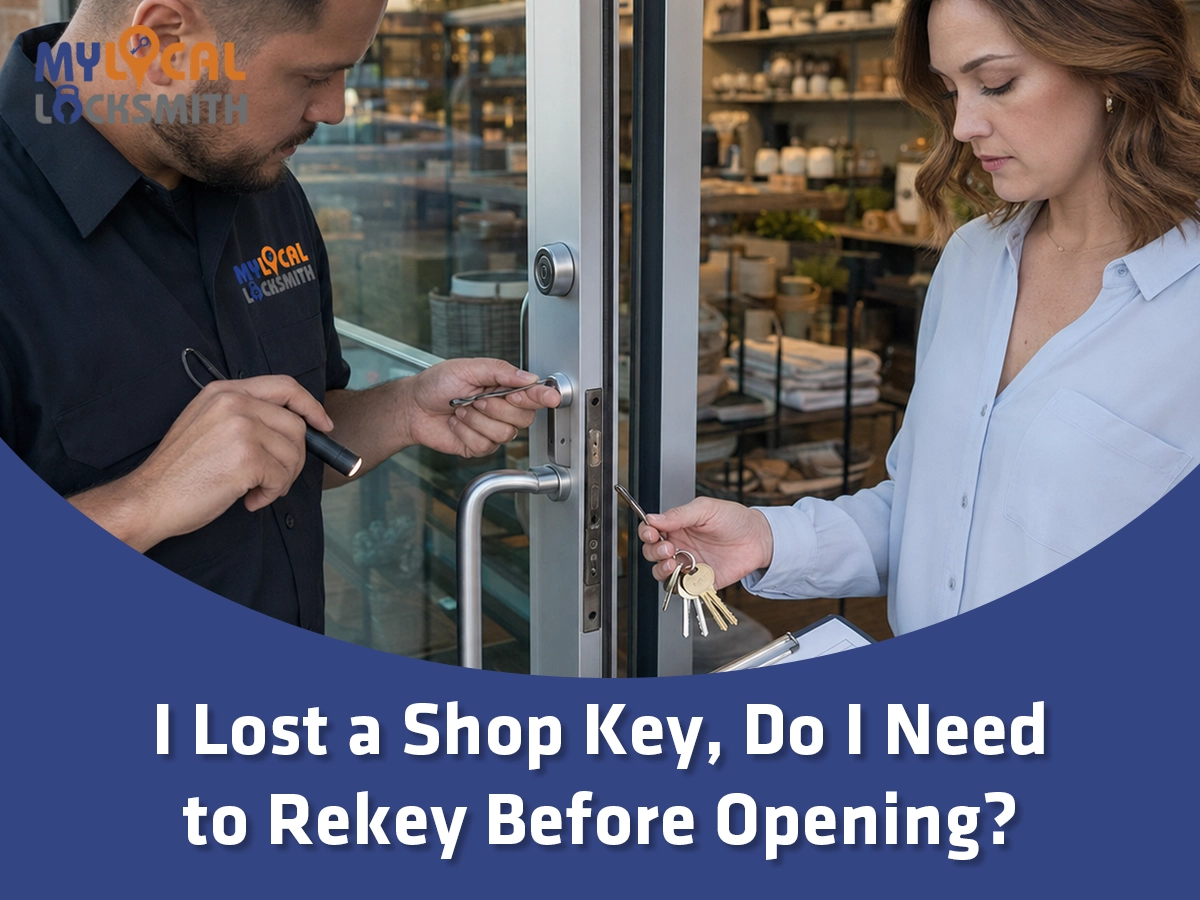
AI Overview: You should usually rekey before opening when a lost shop key can unlock an exterior door, identifies the business, opens sensitive areas, or belongs to a master key system. The same urgent response makes sense when the key may have been stolen or copied. First, identify every door the key opens. Then, check alarm and access records, inspect the doors, protect cash and inventory, and contact a qualified commercial locksmith. A full lock replacement is not always needed. If the hardware works well, targeted rekeying can change the working key and disable the missing one. A lower risk internal key may allow a narrower response, but management should document why opening is safe.
The right choice depends on exposure, not panic. A key lost inside a controlled stockroom creates a different risk from a labeled exterior key lost near the shop.
Opening on time matters. However, one morning of delay may cost less than operating with an unknown exterior credential. A clear risk check supports a calm decision.
- Identify the missing key and every lock it can operate.
- Secure exposed doors and assets until control is restored.
1. Treat an Exterior Shop Key as an Urgent Risk
An exterior key can provide direct access when the store is closed. If management cannot account for it, the shop no longer controls every working copy.
The risk increases when the key ring shows the business name, address, unit number, logo, or door label. A person who finds it may understand where it works.
Location matters too. A key lost near the shop, parking area, delivery route, or employee entrance creates a clearer connection. A suspected theft deserves an even faster response.
None of these facts proves that someone will use the key. Still, security decisions should address access opportunity before an incident occurs.
- Rekey affected exterior locks before leaving the shop unattended.
- Remove identifying tags from future business key rings.
2. Map Every Door the Missing Key Could Open
Do not assume the key operates only one door. It may open the front entrance, rear delivery door, office, stockroom, cash room, or shared building area.
Check the key register, master key chart, old invoices, and manager records. Ask the property manager whether the cylinder belongs to a building system.
A master key needs special attention because it may reach many openings. A locksmith should review the hierarchy before quoting the scope. Guessing can leave a door exposed or create unnecessary work.
This guide to commercial door lock hardware helps owners identify cylinders, exit devices, closers, strikes, and other parts during the door review.
- Create a list of every confirmed or possible affected lock.
- Mark exterior, shared, sensitive, and master keyed openings.
3. Decide Whether the Key Can Identify the Shop
A plain key without a tag still creates access risk, but the finder may not know its location. A labeled ring connects access with a place.
Review what was attached. A badge, loyalty card, vehicle key, uniform tag, receipt, or delivery label may reveal the business indirectly.
Do not post a detailed lost key notice on public social media. The search message can tell others exactly which credential is missing and where it works.
Search the likely route carefully without leaving the store unsecured. Contact nearby management or lost property staff without sharing more access information than necessary.
- Treat identifying information as a major urgency factor.
- Keep the door list and key details within the response team.
4. Rekey Before Opening When Several Warning Signs Apply
Several facts support immediate rekeying. The key opens an exterior door. It went missing overnight. It was lost near the shop. It carries identifying information.
Other warnings include a missing master key, suspected theft, a recent staff dispute, or evidence of attempted entry. A key that opens cash, records, medicine, or high value stock also raises urgency.
Management does not need proof of misuse before restoring access control. Rekeying is a preventive step, not an accusation against a worker or customer.
This article on signs it is time to rekey a commercial property provides additional triggers for a broader security review.
- Rekey promptly when the key location or access level creates clear exposure.
- Document the facts that supported the before opening decision.
5. Know When a Narrower Response May Be Reasonable
Not every missing key opens the shop exterior. A key may operate one interior cabinet, restroom, or low risk room. The store may remain secured by unaffected exterior locks.
The key may also be found inside a controlled area before opening. In that case, management can verify where it remained and whether others had access.
A narrower response can still include rekeying the affected interior cylinder, limiting room access, or moving valuable items. The choice should match what the key actually opens.
Do not use this exception when key identity or custody remains uncertain. A guess that “nobody will know” is not a sound security plan.
- Separate low risk interior access from exterior and master access.
- Record why the shop can open safely without a full rekey.
6. Understand Rekeying Versus Lock Replacement
Rekeying changes the cylinder so a new key works and the missing key no longer does. The main lock hardware remains when it is suitable and serviceable.
Replacement changes the hardware. It may be appropriate when the lock is worn, damaged, loose, unsuitable, or due for a stronger security upgrade.
A lost key alone does not prove the lock needs replacement. The locksmith should inspect cylinder operation, latch engagement, strike alignment, hinges, closer action, and door condition.
Rekeying can often restore key control with less disruption. However, replacement may provide features that the current opening lacks.
- Rekey sound hardware when the main problem is lost key control.
- Replace hardware when condition, function, or security needs justify it.
7. Secure the Shop While Waiting for Service
Keep an authorized person at the premises when an exterior key remains unaccounted for. Do not leave the shop relying on a lock that the missing key can open.
Move cash, private records, portable devices, medicine, and high value items into unaffected secured areas when practical. Avoid creating unsafe piles or blocked exits.
Check doors and windows for visible damage. Review alarms and cameras for unusual activity, but remember that no alert does not prove nobody has a key.
The Federal Trade Commission small business physical security guide advises limiting physical access and storing sensitive files or equipment in locked rooms or cabinets.
- Maintain responsible supervision until affected locks are controlled.
- Protect portable, private, regulated, and high value assets first.
8. Review Alarm, Camera, and Access Records
Check the alarm history, door events, and camera footage around the likely loss period. These records may reveal an unusual opening or failed entry attempt.
Review only the relevant time and area. Protect employee and customer privacy. Limit footage and system access to authorized managers.
A clean record can reduce concern about past entry, but it does not control future use of the key. The lock still accepts the missing credential until it is rekeyed.
If evidence suggests theft, attempted entry, or another crime, preserve records and contact law enforcement. Do not confront a suspected person alone.
- Save relevant events without editing or publicly sharing them.
- Treat records as evidence, not as a substitute for rekeying.
9. Consider Master Keys and Shared Building Doors
Retail shops often share rear corridors, utility spaces, delivery doors, or common entrances. The landlord may own or manage those cylinders.
Notify the property manager promptly when the missing key affects a shared system. The shop should not rekey building hardware without proper authority.
If the key is a master, identify its access level. The response may include several tenants or doors. A coordinated plan prevents one repair from breaking another user’s access.
The NIST physical access controls provide a useful model. They address securing access devices and changing keys when they are lost or held by people who leave.
- Contact the authorized building representative for shared key systems.
- Review the full master key level before changing cylinders.
10. Keep Required Exits Safe During Rekeying
Store security cannot trap employees or customers. A locksmith may change outside key access while preserving free inside exit through approved hardware.
Do not add improvised locks, chains, or barriers to a required exit while waiting. These measures can create a life safety hazard even when they deter outside entry.
Panic bars, fire exit hardware, closers, and fire doors need careful service. The repair should preserve proper latching, closing, and inside release.
If safe exit cannot remain available, delay occupancy and seek guidance from the property manager or appropriate local authority. Opening time cannot override safe egress.
- Preserve required inside exit throughout the security response.
- Test latching, closing, outside locking, and inside release after work.
11. Verify the Locksmith Before Approving Work
The provider should identify the business, confirm authorization, inspect the doors, and explain the proposed scope. A written estimate should separate service, labor, hardware, and additional options.
Texas regulates locksmith services through its Private Security Program. The Texas Department of Public Safety licensing system includes a search function for licensed individuals and companies.
Ask whether the technician understands commercial cylinders, master key systems, exit devices, storefront doors, and access control. Experience should match the actual opening.
This guide to choosing a commercial locksmith offers more questions about identity, licensing, scope, pricing, and final testing.
- Verify the provider before sharing detailed access information.
- Approve the affected door list and key quantities in writing.
12. Plan New Keys and Stop the Same Problem Recurring
Decide how many replacement keys the shop actually needs. Too few can disrupt opening and closing. Too many can weaken future control.
Give each key a neutral number and named holder. Do not label it with the store address or door. Record the issue and expected return.
Keep spare and master keys in controlled storage. Temporary loans should have a borrower, time out, and return record.
For stronger copy control, ask about restricted keyways. For changing staff or cleaners, individual electronic credentials may reduce physical key use.
- Issue only the copies required for current roles.
- Store spare and master keys with controlled manager access.
13. Use a Practical Grapevine Shop Example
Consider a representative example. This example does not describe a specific customer. It shows how a shop can use a risk based response.
A Grapevine boutique manager loses a ring containing the rear delivery key. The tag shows a store abbreviation, and the key may have been lost in the nearby parking area.
The rear key also opens a small stockroom. Management keeps an authorized person onsite, reviews the key chart, and moves portable high value items to an unaffected locked office.
A locksmith rekeys the delivery and stockroom cylinders before the shop opens. The front entrance hardware remains unchanged because the lost key never operated it.
The response is urgent but targeted. It restores control without replacing good hardware or changing unrelated keys.
- Match the rekey scope to the missing key’s confirmed access.
- Protect assets and supervise the site until service is complete.
14. Build a Before Opening Decision Checklist
Ask six direct questions. Does the key open an exterior door? Can the key identify the shop? Was it lost near the business? Does it open several or sensitive areas?
Next, ask whether theft is possible and whether the premises can remain supervised. Any strong warning should move the decision toward immediate rekeying.
Then, identify affected doors, building authority, alarm contacts, new key holders, and the service provider. This information helps the locksmith plan a focused response.
Use the checklist after every future key loss. A repeatable process reduces delay and emotional guesswork.
- Treat exterior, identified, master, stolen, and sensitive keys as urgent.
- Allow a narrower response only when access and custody are clearly limited.
15. Upgrade High Risk Retail Access
A lost key incident can reveal a weak system. Shared keys, unlabeled records, and uncontrolled spares make every future loss harder to assess.
Restricted keys can make unauthorized copying more difficult through controlled blanks and ordering. Electronic badges or mobile credentials can be disabled for individual users.
The right upgrade depends on the doors, staff turnover, lease, power, network, and budget. A small shop may use a hybrid plan with restricted exterior keys and electronic staff access.
This guide to emergency lock solutions for retail stores explains how planning can reduce disruption after a security problem.
- Fix the record and access process that allowed uncertainty.
- Choose an upgrade that management can maintain consistently.
Frequently Asked Questions
Should I change the locks if I lose a store key?
You should restore access control when the missing key opens an exterior or sensitive door. Rekeying may be enough when the hardware remains suitable and works well. Replacement is more appropriate for damaged, worn, or unsuitable locks. A locksmith should identify every affected cylinder before recommending the final scope.
Can a locksmith rekey a shop before opening?
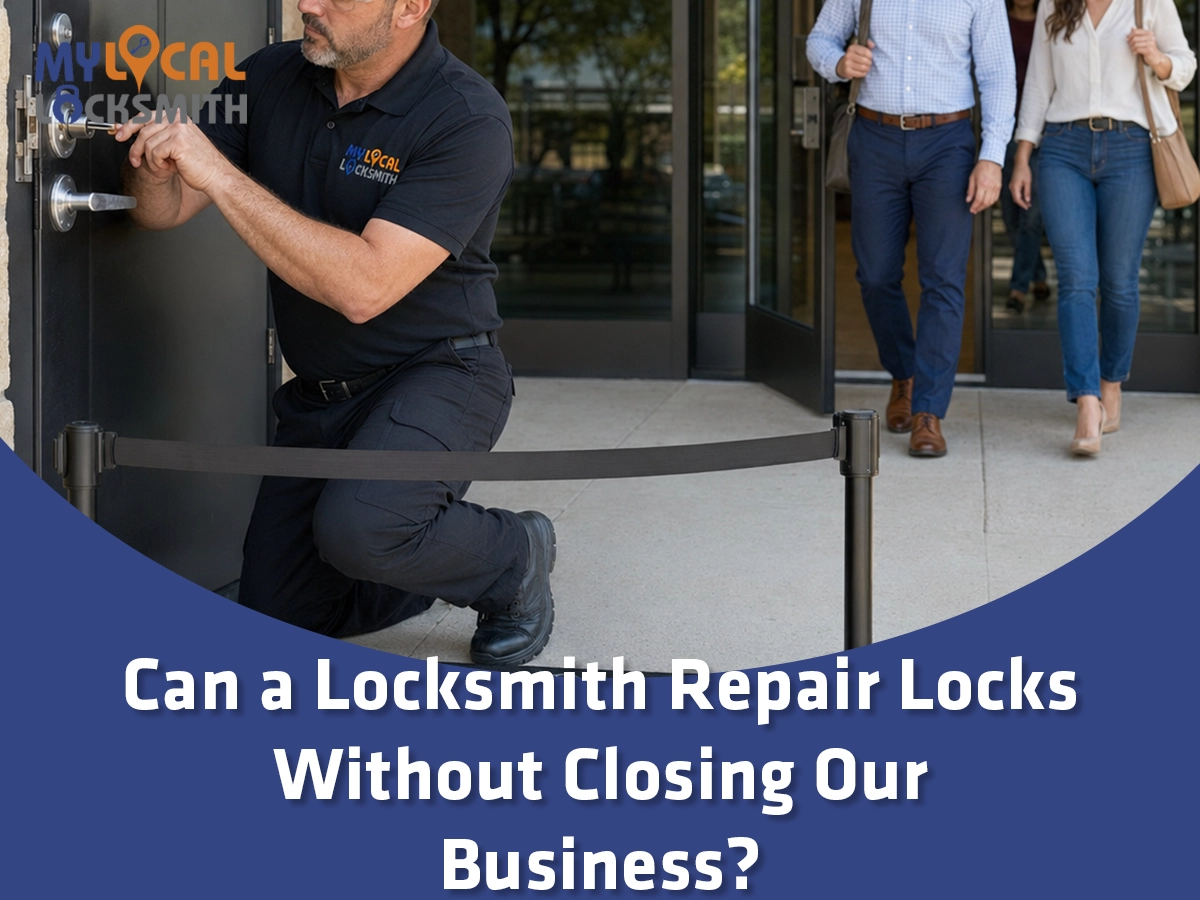
Often yes. A commercial locksmith can inspect the doors, verify authorization, and rekey affected cylinders while the shop is unoccupied. Timing depends on the number of doors, key hierarchy, hardware condition, parts, and building access. Have the key list and property manager contact ready so the work can begin without avoidable delay.
Is finding the lost key enough to avoid rekeying?
Finding the key can lower concern when management verifies it remained inside a controlled area. However, finding it elsewhere does not prove nobody held or copied it. Consider the location, time missing, identifying tags, access level, and who could reach it. Rekey when custody remains uncertain or exposure is significant.
Do I need to replace every lock after losing a master key?
Not automatically. The affected scope depends on the master key hierarchy and the doors that level can open. A locksmith should review the system chart before changing hardware. Some openings may support targeted rekeying, while others may require a wider change. Secure sensitive areas while the hierarchy is reviewed.
What should I do first after losing a business key?
Identify the key and affected doors, keep the premises supervised, protect valuable assets, check relevant records, and notify the property manager when shared hardware is involved. Contact a qualified commercial locksmith for an inspection. If theft or attempted entry is suspected, preserve evidence and contact law enforcement rather than confronting anyone.
Conclusion
You should rekey before opening when a lost shop key creates clear exterior, master, identified, or sensitive access risk. The decision should reflect actual exposure.
A targeted rekey can disable the missing key without replacing good hardware. First, map the doors, protect assets, inspect the opening, and coordinate with the property manager.
My Local Locksmith – Grapevine can assess affected commercial locks, explain rekeying and replacement options, and help restore controlled access. A calm, documented response protects both security and opening plans.
- Act before opening when the missing key could provide meaningful access.
- Improve key records so future incidents are faster to evaluate.
Contact My Local Locksmith – Grapevine
Lost a shop key in Grapevine? Contact My Local Locksmith – Grapevine for a commercial lock assessment and clear rekey plan.
Contact us at
Address: 1021 S Main St #104, Grapevine, TX 76051
Main Phone: 817-952-5256
Website: http://mylocallocksmithtx.com/my-local-locksmith-in-grapevine/