A key audit is not optional
A surprising number of businesses never learn how many keys are still out there until one turns up missing at the worst time. That is why a regular business key audit matters more than most owners think, especially when staff changes fast and access gets loose.texasmasterlocksmiths+1
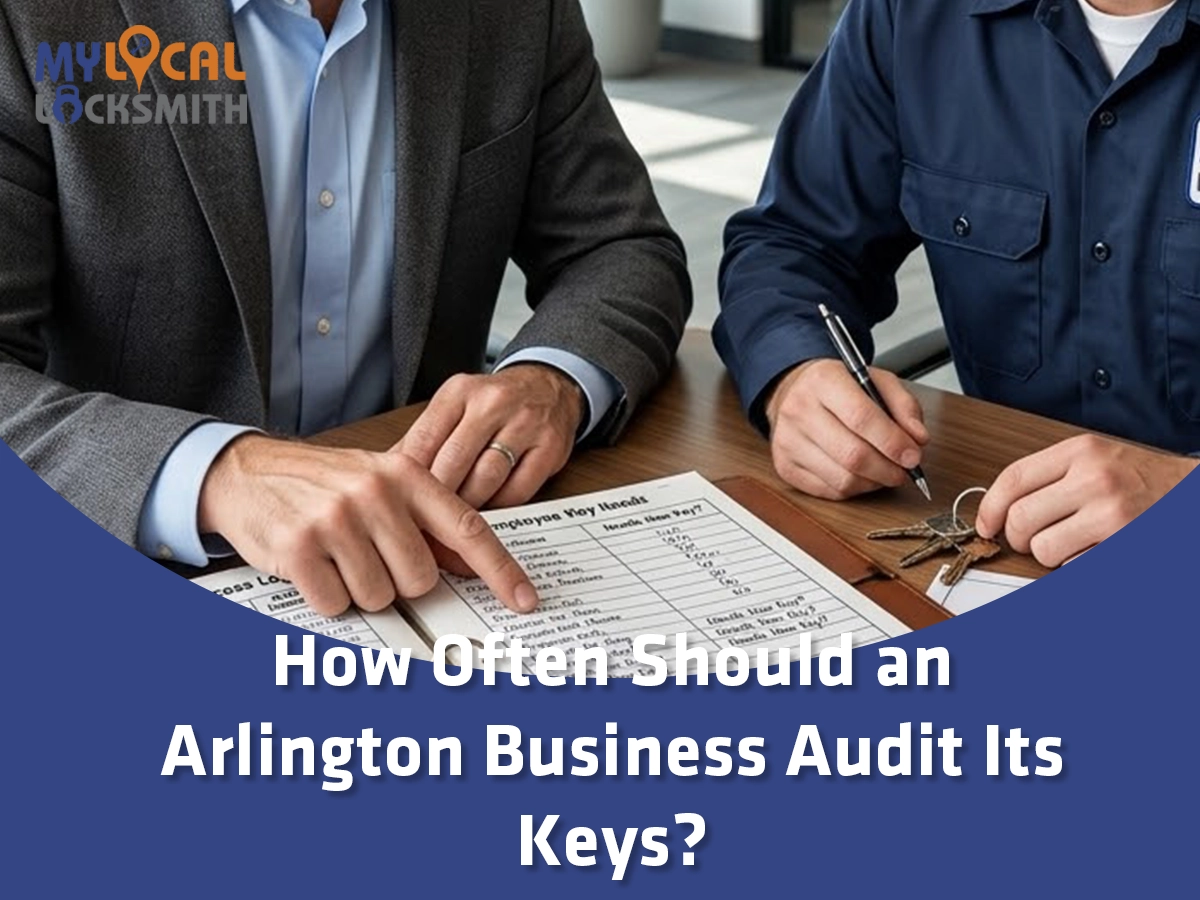
AI Overview: An Arlington business should audit its keys at least once a year, and every quarter if turnover is high, access is sensitive, or the property uses a large master key system. A good audit checks who has each key, whether the key is still needed, and whether any locks should be rekeyed after a loss, exit, or security concern.texasmasterlocksmiths+1
At My Local Locksmith Arlington, we have seen the same pattern over and over. Most key problems do not start with a break in, they start with poor tracking, missing returns, and assumptions that someone else handled it.
How often to audit
- Audit keys once a year at minimum.
Most standard businesses can start with an annual review if access is limited and the team is stable. That gives you a clean way to confirm who has each key and whether the list still matches reality.texasmasterlocksmiths+1 - Audit every quarter if risk is higher.
If you run a retail shop, office, warehouse, or property with frequent staff turnover, quarterly checks make more sense. The more people who come and go, the more likely a key is sitting in the wrong pocket, drawer, or glove box.ifactoryapp+1 - Audit right away after a security event.
If a key is lost, copied, stolen, or not returned, do not wait for the next scheduled review. That is the moment to recheck the full key map and decide whether rekeying or lock changes are needed.texasmasterlocksmiths+1 - Audit after staffing or access changes.
If a manager quits, a vendor relationship ends, or a contractor finishes the job, that is a natural trigger. These moments often reveal the weak spots that stayed hidden during normal business weeks.ifactoryapp+1
For more on related access issues, see our guide on commercial rekeying after employee turnover and our post on top signs it is time to rekey your commercial property.
What a real audit checks
A useful audit is not just a count of metal keys. It is a security check that looks at who has access, what those keys open, and whether the system still fits the way your business works today.lockbench+1
- Confirm every issued key is assigned to a real person or role.
- Check whether each key is still needed for daily work.
- Review lost key reports, return records, and spare key storage.
- Look at master keys, sub master keys, and restricted keys first.
- Inspect locks for wear, rough turning, or signs of tampering.
- Record missing, broken, or copied keys before they become bigger problems.
If your business uses a master key system, this step matters even more. One ignored master key can affect several doors at once, which is why many owners pair audits with a broader review of how master key systems improve business security.
Why businesses miss it
Most owners do not ignore security on purpose. They just get busy, and key control slips into the background until something goes wrong. That is especially true in places with multiple shifts, temporary workers, or several managers handling the same doors.texasmasterlocksmiths+1
- Keys get handed out during a rush and never logged.
- Old employees leave, but no one chases the keys.
- Spare keys pile up in desk drawers, bags, and unmarked envelopes.
- Vendors, cleaners, and outside techs may keep copies longer than expected.
- Door access changes, but the written record does not.
- A simple count is done, but nobody checks whether the key still belongs there.
That is also why lock maintenance and key control should not be treated like separate jobs. They are part of the same habit, and our article on lock maintenance tips for property and office owners explains that connection in plain terms.
Signs your audit is overdue
Some warnings are loud. Others are quiet, and that is usually where the trouble starts. If any of these sound familiar, your key audit is already late.texasmasterlocksmiths+1
- You do not know how many keys are in circulation.
- Former employees may still have access.
- Spare keys are not stored in one secure place.
- Different managers give different answers about who has what.
- Doors are being forced, damaged, or left unsecured.
- You have had even one unexplained missing key.
If you are also seeing worn locks or sticky hardware, the problem may be bigger than key control alone. In that case, review our post on commercial door lock hardware what business owners should know.
A simple audit routine
Here is the version most business owners can actually keep up with. It does not need to be fancy. It just needs to be consistent and written down.lockbench+1
- Make a full key list.
Write down every active key, door, and person connected to access. If you cannot explain a key, that key is already a problem. - Match the list to reality.
Check each key against the person holding it. Then confirm whether that person still needs it for their role. - Pull back unused keys.
Take away keys that no longer serve a real purpose. That one step alone cuts risk fast. - Review the locks too.
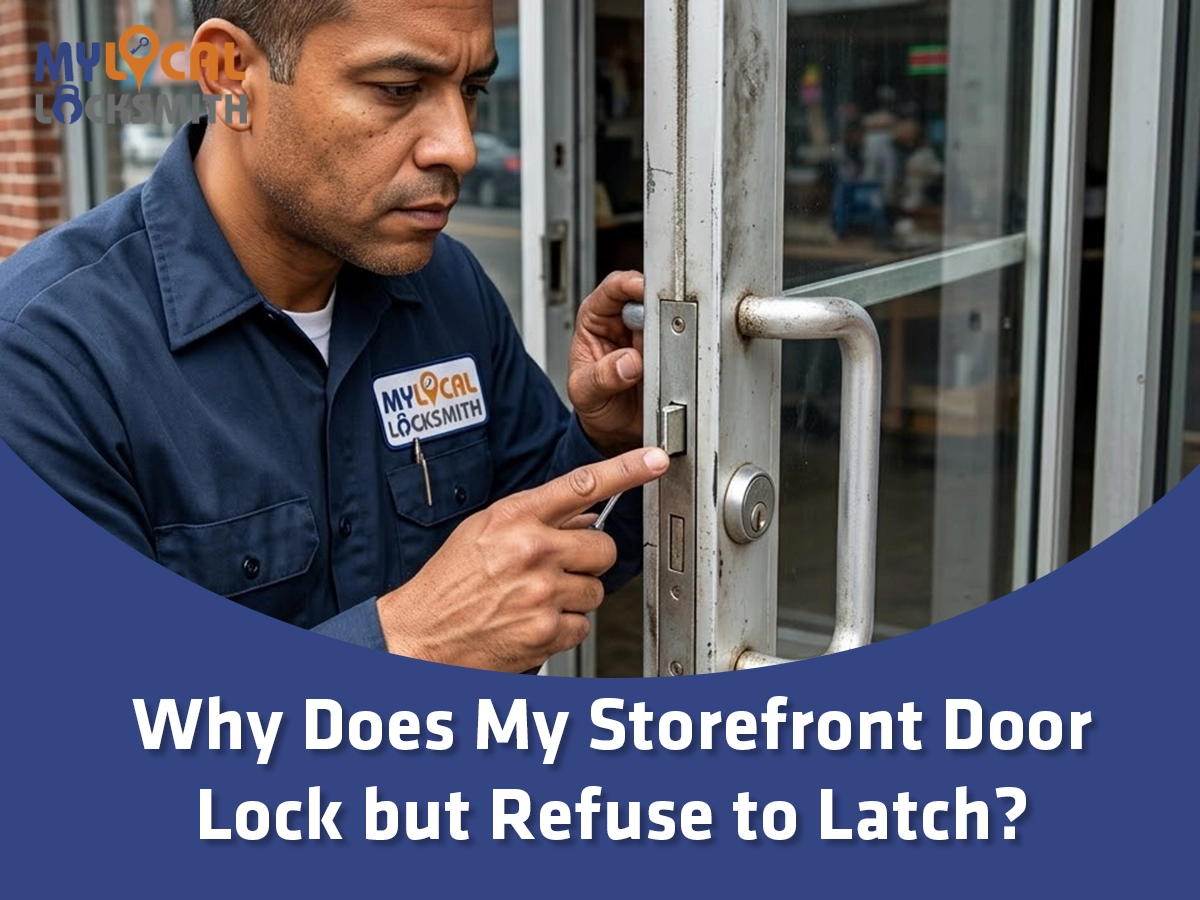
A key audit should not stop at the key ring. If the door hardware is loose or damaged, the lock side of the problem is still open. - Fix the gaps.
Rekey when needed, update the log, and secure your spares. If the audit uncovered something serious, handle it now rather than hoping nobody notices.
For businesses that want a stronger structure, our guide on how professional locksmith services protect business assets is a useful next step.
Why Arlington businesses should care
Arlington businesses deal with constant movement. Employees change, vendors rotate, buildings age, and doors get used hard. That makes key control less of a theory and more of a daily habit.cisa+1
- Retail locations need tight control because staff access changes quickly.
- Offices need clean records because one lost key can affect several rooms.
- Warehouses need strong tracking because a single missing key can expose assets.
- Multi tenant properties need a clear chain of responsibility.
- Schools, clinics, and service businesses need reliable access without guesswork.
- Any business with a master key setup needs tighter review than casual sites.
If your building uses broader entry technology, you may also want to compare manual control with options in access control systems a smart solution for modern office security.
My view from the field
Here is the part most business owners already feel in their gut. Security problems usually look small right before they become expensive. A key that is “probably fine” often becomes the one that causes the mess. That is why I think annual audits are the bare minimum, not the target.texasmasterlocksmiths+1
- Annual works only for low risk, stable teams.
- Quarterly is smarter for active businesses.
- Immediate review is the right move after any loss or turnover.
I have also found that owners trust a clean key ring too much. A neat label does not mean the record is right. It just means the mistake is organized.
Common mistakes
The same mistakes show up again and again, and they are easy to miss if nobody owns the process. Fixing them is usually cheaper than dealing with the fallout later.lockbench+1
- No one is formally responsible for key control.
- Master keys are treated like regular keys.
- The company keeps no return log.
- Old keys stay active after employees leave.
- Duplicate keys are made without clear approval.
- Spare keys are stored too close to the doors they open.
If your business has had repeated lock issues, it may be worth reading our post on why your door lock might be easier to break.
Case study style example
A small Arlington office with rotating contractors thought it had only a few active keys. After a simple review, the owner found extra copies floating between departments, plus one old key that still opened the main side entrance. That did not mean the building was unsafe that day, but it did mean the business had no real grip on access.
- The fix started with a new key log.
- Unused keys were collected and marked out of service.
- The locks tied to former access were rekeyed.
That is the kind of clean up that saves time later. It also gives the owner a better starting point the next time a staff change happens.
When to call a locksmith
You do not need to wait until a lock fails or a key goes missing for good. If the audit feels messy, or if the records no longer match the doors, bring in a professional. A locksmith can spot weak points fast and help you decide whether rekeying, repair, or replacement makes the most sense.texasmasterlocksmiths+1
- Call after a lost or stolen key.
- Call when employee turnover is high.
- Call when master key access is unclear.
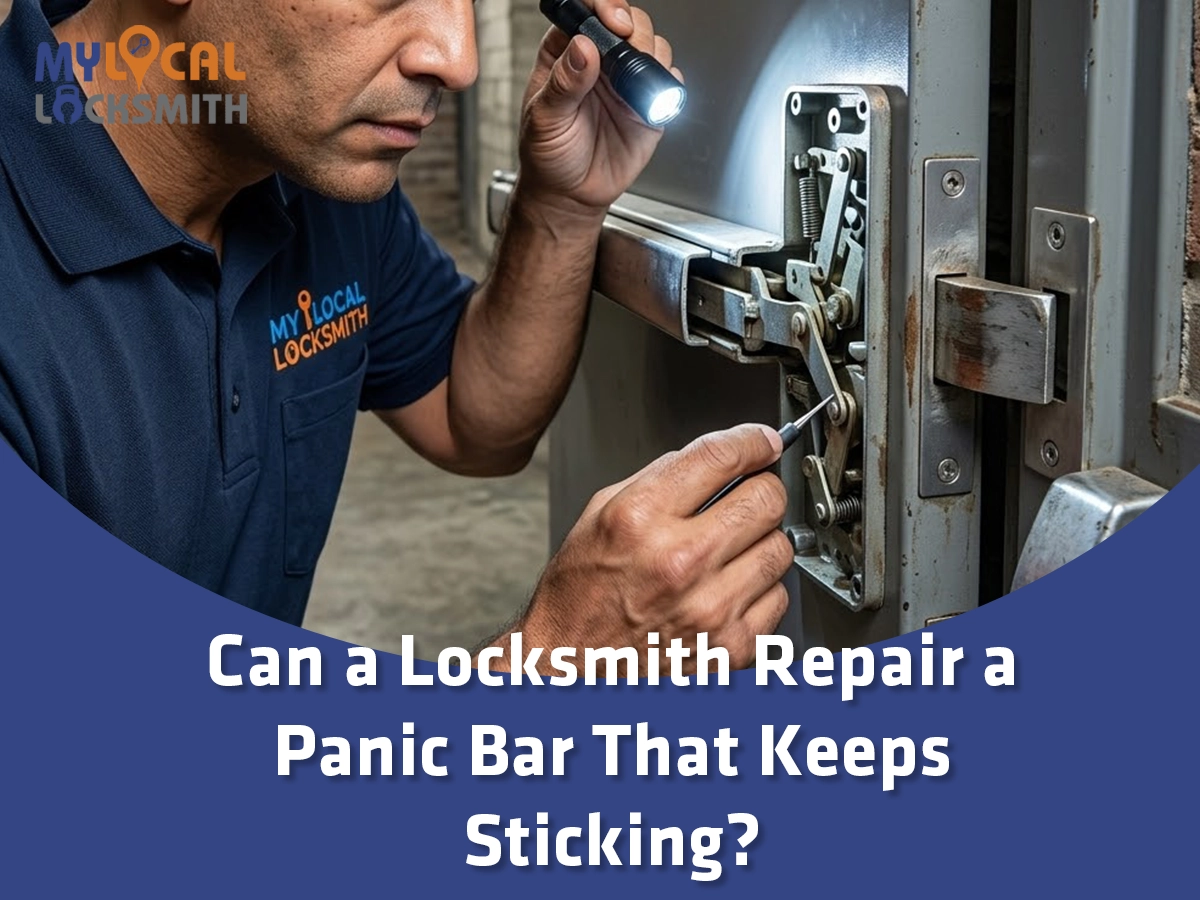
- Call when locks are worn or sticking.
- Call when your audit keeps finding gaps.
- Call when you want the process documented properly.
If this sounds like your situation, our page on choosing the right locksmith for your commercial property may help you decide what to do next.
FAQ
What is a business key audit?
A business key audit is a review of every key, who has it, what it opens, and whether that access is still needed. It also checks storage, spare keys, and the condition of the locks tied to those keys. The goal is simple: reduce blind spots before they turn into a real security problem.
How often should a small business audit its keys?
Most small businesses should audit keys at least once a year. If the staff changes often, or if the business handles sensitive areas, a quarterly schedule is better. The right answer depends on how many keys exist, who has them, and how much access those keys control.
Should a key audit include rekeying?
Not always, but it should lead to rekeying when keys are lost, not returned, or suspected to be copied. If the audit shows broken control or unclear access, rekeying is often the safest next step. That is especially true for master key systems and busy commercial properties.
What records should a business keep for keys?
A business should keep a current key log, issue dates, return dates, holder names, and the doors or areas each key opens. It should also note missing keys, approved duplicates, and any lock changes tied to the audit. Clear records make future checks much faster and much less stressful.
Why does key control matter for commercial security?
Key control matters because one loose key can undo a lot of other security work. Cameras, alarms, and good locks help, but weak key control still leaves access open to the wrong people. A clean audit keeps your doors tied to real, current responsibility instead of guesswork.
Final take
If you want the short answer, audit your business keys once a year at minimum, and every quarter if your operation changes often. If a key is lost, an employee leaves, or access stops making sense, do not wait. That is the time to act, tighten control, and protect the business before the problem grows.
Contact My Local Locksmith Arlington
If your business needs a key audit, rekeying, or a commercial security review, contact My Local Locksmith Arlington.
Address: 805 Washington Dr a1, Arlington, TX 76011
Main Phone: 682-253-1593
Website: www.mylocallocksmithtx.com