The Keys You Receive May Not Be The Only Keys
Here is a surprising fact. Southern Living reports that even when buyers receive keys at closing, there is no way to know for certain that no duplicate keys exist. That is why securing the home should become a top priority after buying a house.
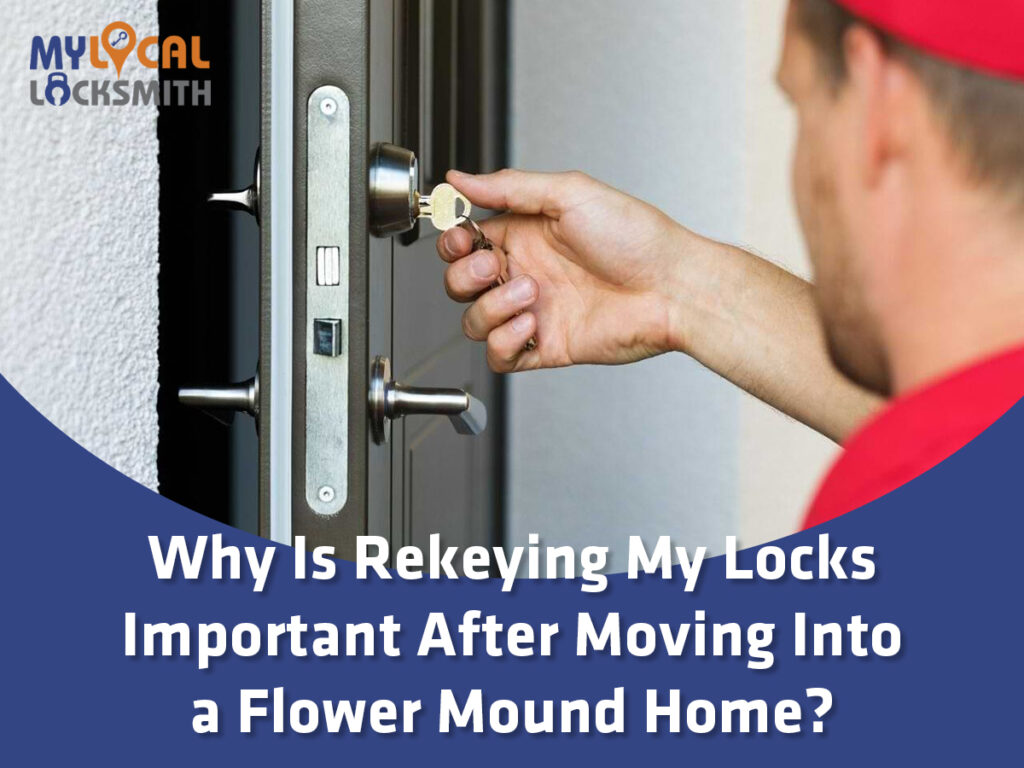
So, why is rekeying my locks important after moving into a Flower Mound home? Rekeying matters because it lets you keep working lock hardware while changing the inside of the lock so old keys stop working. That means previous owners, tenants, contractors, cleaners, neighbors, real estate agents, or anyone with an old spare key can no longer open your doors.
Moving into a new home is exciting. You may be focused on boxes, utilities, furniture, school routes, pets, and your first grocery run. However, your exterior locks should not be an afterthought. Until the locks are rekeyed, you may not know who still has access.
Start with these two steps:
• Rekey exterior doors soon after move in.
• Review every lock that controls access to the home.
My Local Locksmith says it offers mobile locksmith services in Flower Mound, including emergency, automotive, commercial, and residential locksmith services.
AI Overview: Why Is Rekeying My Locks Important After Moving Into a Flower Mound Home?
Rekeying your locks after moving into a Flower Mound home is important because it gives you control over who can enter. The old lock hardware may still be usable, but the internal pins are changed so old keys no longer work. This is often a practical first step after closing, renting, or taking over a home.
Rekeying is helpful when you do not know how many old keys exist. Previous owners, renters, family members, neighbors, contractors, cleaners, pet sitters, or real estate contacts may have had copies. This does not mean anyone plans to misuse a key. However, new homeowners should not rely on unknown key history.
This Old House explains that rekeying changes a lock’s internal parts so it works with a new key while keeping the existing hardware. It also notes that rekeying can improve home security without replacing the entire locking unit.
My Local Locksmith – Flowermound can help with mobile residential locksmith service in Flower Mound. Its Flower Mound page lists residential and emergency locksmith services among its mobile service categories.
What Does Rekeying A Lock Mean?
Rekeying means changing the internal parts of a lock so a new key works and the old key no longer works. In most common pin tumbler locks, the locksmith changes pins inside the cylinder to match a new key pattern.
Rekeying is different from replacing the lock. During rekeying, the existing lock hardware usually stays on the door if it is still in good condition.
Rekeying may involve:
• Removing or accessing the lock cylinder.
• Changing internal pins or parts.
• Creating a new working key.
• Testing the new key in the lock.
• Confirming old keys no longer work.
• Checking whether the lock still operates smoothly.
This Old House describes rekeying as a process that changes the lock’s internal components while keeping the current lock hardware.
That makes rekeying useful after moving. You do not always need new locks if the existing hardware is safe, strong, and working well. However, you do need new key control.
A locksmith can also explain when rekeying is not enough. If the lock is damaged, loose, outdated, or poorly installed, replacement may be the better choice.
Why Rekeying Matters After Moving Into A Home
A move changes who should have access. Before the move, many people may have needed keys. After the move, only your household and trusted people should have access.
Old keys may have been held by:
• Previous owners
• Former renters
• Relatives
• Neighbors
• House cleaners
• Dog walkers
• Contractors
• Realtors
• Property managers
• Babysitters or caregivers
Most people are honest. However, that is not the point. The point is that you do not know the full key history. A house key is small, easy to copy, and easy to forget about.
Rekeying helps because:
• Old keys stop working.
• Your household starts with new key control.
• You reduce uncertainty after moving.
• You can match several doors to one new key.
• You can review weak or damaged locks during the visit.
First American says rekeying locks is one of the easiest ways to protect a home right after moving in. It also states that many homeowners find the small investment worthwhile for peace of mind.
For related internal reading, visit how to secure your home locks after moving in.
Rekeying Gives You Better Key Control
Key control means knowing who has keys and which doors those keys open. After a move, key control is usually unclear.
You may have keys for:
• Front door
• Back door
• Garage entry door
• Side door
• Patio door
• Gate lock
• Shed lock
• Interior office or storage room
A rekey service can help organize those keys. In many cases, a locksmith may be able to make multiple exterior locks work with one new key if the hardware is compatible. That can make daily use easier while removing old access.
Rekeying supports key control because:
• You can start fresh with new keys.
• You can avoid relying on unknown copies.
• You can choose who receives a spare.
• You can reduce the number of keys you carry.
• You can create a cleaner household key plan.
A good key plan is simple. Give keys only to people who need them. Track who has them. Avoid hiding keys in obvious outdoor places. Also, rekey again if a key is lost with identifying information.
For more key habits, read how to prevent lockouts with proper key management.
Rekeying Is Often Faster Than Replacing Every Lock
Many homeowners assume that moving means every lock must be replaced. Sometimes replacement is necessary. However, rekeying may be enough when the locks are in good working condition.
Rekeying may be a smart option when:
• The lock hardware is solid.
• The lock fits the door well.
• The deadbolt works smoothly.
• The lock style still fits your home.
• You mainly need old keys to stop working.
Replacing may be better when:
• The lock is damaged or loose.
• The key sticks or will not turn.
• The deadbolt does not align.
• The hardware is outdated or weak.
• You want a smart lock or new style.
• The lock cannot be rekeyed to your needs.
A locksmith should inspect each lock before deciding. Rekeying a bad lock may save money today but leave you with poor security. Replacing a good lock may be unnecessary if rekeying solves the access problem.
This Old House notes that rekeying can be a practical way to improve home security without replacing the entire locking unit.
For a deeper comparison, read rekeying vs lock replacement, what homeowners should know.
Rekeying Helps After Buying A Used Home
A used home may have years of key history. The previous owner may have handed over every known key. Still, that does not prove every copy was returned.
Keys may have been copied for:
• Visiting relatives
• Home repairs
• Lawn service
• Pool service
• Cleaning service
• Pet care
• Temporary guests
• Emergency spares
• Real estate showings
• Rental periods before sale
Southern Living explains that new homeowners often cannot confirm whether every duplicate key has been returned, even when closing keys are provided.
Rekeying protects your new start. It does not accuse the previous owner of anything. It simply gives your household control from day one.
A practical move in plan may include:
• Rekey all exterior doors.
• Check garage entry doors.
• Review patio and side doors.
• Update smart lock codes.
• Replace weak or damaged locks.
• Create a safe spare key plan.
Moving is already busy. However, this is one task that should happen early because it directly affects home access.
Rekeying Helps After Renting A Flower Mound Home
Renters should also think about key control, but they must follow lease rules first. If you rent a home, ask your landlord or property manager before changing or rekeying locks.
Renters should ask:
• Am I allowed to rekey the locks?
• Does the landlord require a copy of the new key?
• Should the property manager arrange the locksmith?
• Are there rules about smart locks or keypad locks?
• What happens during emergency maintenance access?
Rekeying can still be important for renters because previous tenants, roommates, cleaners, or workers may have had keys. However, the process should be approved and documented.
A renter should not secretly change locks if the lease prohibits it. Instead, explain the safety concern and request a proper rekey through the owner or manager.
For rental style lock concerns, read best locks for apartments and rental properties.
A good rental move in plan includes:
• Confirming lock rules.
• Asking about previous tenant key control.
• Requesting approved rekey service.
• Keeping written records of approval.
That keeps the renter safer while respecting the lease.
Rekeying Helps If Contractors Had Access
Many homes have contractor access before and after a sale. Painters, cleaners, movers, remodelers, electricians, plumbers, flooring installers, staging teams, and inspectors may enter during the transition.
Temporary access is normal during a move. However, once the work ends, access should be reviewed.
Contractor access matters when:
• A lockbox was used.
• Keys were shared during repairs.
• A contractor entered before closing.
• A cleaning crew had a spare.
• Renovation work continued after move in.
• Multiple vendors used the same entry key.
Again, this does not mean anyone did something wrong. It means the key chain became wider than you may realize.
Rekeying after the work is complete gives the homeowner a clean handoff. It also helps you avoid wondering whether temporary access still exists.
For planned projects, many homeowners rekey after:
• Closing
• Cleaning
• Painting
• Final contractor visits
• Move in
• Furniture delivery
That timing keeps the process practical. If major work is still happening, ask your locksmith when rekeying makes the most sense.
Rekeying Helps If Keys Were Lost During The Move
Moving is messy. Keys can get lost in boxes, moving trucks, storage units, hotel bags, parking lots, rental cars, or old homes.
A lost key during a move is more concerning when:
• The key was labeled with the address.
• The key was attached to mail or documents.
• The key was lost near the new home.
• Movers, helpers, or strangers may have seen it.
• You cannot remember who last had it.
If a key is lost during the move, rekeying becomes more urgent. You should not assume the key will never be found by someone else.
A simple plan can help:
• Search obvious places first.
• Confirm whether the key had identifying details.
• Rekey affected locks if security is uncertain.
• Create a better spare key system afterward.
For related internal guidance, read lost your keys again, here’s what you should do first.
If the lost key only opened one lock, that lock may need rekeying. If it opened several doors, the rekey plan should cover each door.
Rekeying Can Make Daily Life Easier
Rekeying is not only about security. It can also make daily life simpler. Many homes have mismatched locks with different keys for each door. That can be frustrating.
Rekeying may help when:
• The front door uses one key.
• The back door uses another key.
• The garage entry uses a third key.
• Family members carry too many keys.
• Spare keys are confusing.
• Guests use the wrong key.
If the locks are compatible, a locksmith may be able to key several doors alike. That means one new key opens several approved exterior doors.
This can help families because:
• Fewer keys are easier to track.
• Spare keys are simpler to manage.
• Kids and relatives have less confusion.
• Daily entry feels more convenient.
• Emergency access is easier to plan.
However, not every lock can be keyed alike. Different brands, keyways, or hardware types may limit what is possible. A locksmith can check compatibility during the visit.
Convenience should not reduce security. The goal is a cleaner key plan with better control.
Rekeying Versus Changing Locks After Moving
Rekeying and changing locks both improve access control, but they are not the same service.
Rekeying means:
• Existing hardware usually stays in place.
• Internal lock parts are changed.
• Old keys stop working.
• New keys are created.
• It is often practical when hardware is good.
Changing locks means:
• Old lock hardware is removed.
• New hardware is installed.
• A new lock style may be chosen.
• It may improve strength, appearance, or features.
• It is often better when hardware is damaged or outdated.
Southern Living notes that new homeowners can ask a locksmith whether existing locks can be rekeyed, which may save money compared with changing all locks. It also notes that damaged locks may need replacement.
Ask your locksmith:
• Are my locks in good enough condition to rekey?
• Can these locks be keyed alike?
• Should any lock be replaced instead?
• Should I upgrade the deadbolt or strike plate?
• Do any doors need alignment work?
For a move in comparison, read top reasons to rekey your home after moving in.
Smart Locks And Rekeying After Moving
Smart locks need a different kind of review. If your new Flower Mound home already has a smart lock, do not assume it is ready for your household.
Review these smart lock items:
• Old user codes
• App access
• Admin account ownership
• Backup keys
• Battery condition
• WiFi settings
• Guest codes
• Auto lock settings
• Physical cylinder keys
• Factory reset instructions
A smart lock can still have old digital access. A previous user may have a code, app permission, or backup key. Therefore, move in security should include both physical and digital access.
A locksmith may help with:
• Resetting or replacing smart locks
• Rekeying backup cylinders when possible
• Installing new keypad locks
• Checking deadbolt alignment
• Explaining backup entry options
If the smart lock is old, unreliable, or tied to another person’s account, replacement may be better. If it is working well and can be reset fully, it may stay.
For a related guide, read deadbolt vs smart lock, which is right for your home.
How My Local Locksmith – Flowermound Can Help
My Local Locksmith – Flowermound provides mobile locksmith services for Flower Mound customers. Its Flower Mound page says the company offers mobile locksmith services in the city, including emergency, automotive, commercial, and residential locksmith service categories.
My Local Locksmith may help with:
• Residential lock rekeying
• New homeowner lock service
• Exterior door lock checks
• Rekeying after lost keys
• Rekeying after moving
• Smart lock review
• Deadbolt inspection
• Lock repair
• Lock replacement when needed
• Mobile locksmith service in Flower Mound
A mobile locksmith is useful after a move because the service comes to your home. The locksmith can inspect your front door, back door, garage entry, patio door, and other access points during one visit.
A good move in service should not only make new keys. It should also help you understand whether your doors lock smoothly, whether old keys still work, and whether any lock needs repair or replacement.
For local context, visit need a locksmith in Flower Mound, here is what you should know.
Questions To Ask Before Rekeying Your Flower Mound Home
Before scheduling rekey service, ask clear questions. This helps the locksmith prepare and helps you avoid surprises.
Ask:
• Can you rekey all exterior doors in one visit?
• Can my locks be keyed alike?
• Do any locks need replacement instead of rekeying?
• How many new keys are included?
• Can you check the deadbolt and strike plate?
• What proof of residence do you need?
• Can you help with smart lock codes or backup keys?
• What is included in the estimate?
• Will I receive a receipt?
• Are you licensed for locksmith work in Texas?
These questions matter because rekeying is both a security service and an access service. The locksmith should know you have the right to approve work on the home.
The FTC operates ReportFraud.gov, where people can report fraud, scams, and bad business practices. That is useful for consumers who want to understand how to respond if they suspect a dishonest service provider.
A trusted locksmith should be clear about pricing, identification, and service steps.
How To Avoid Locksmith Scams During Move In
Moving can make people rushed. That can create scam risk, especially if you need same day help.
Watch for warning signs:
• Very low quotes with no details.
• Generic company names.
• No clear business identity.
• Sudden price increases.
• Pressure to replace every lock without explanation.
• No receipt or invoice.
• Avoiding licensing questions.
• No explanation of rekeying versus replacement.
Action Lock Doc warns that common Texas locksmith scams can involve low quotes, unnecessary drilling, fake company listings, cash only demands, unmarked vehicles, and no identification.
Ask before booking:
• What is included in the quote?
• What company name appears on the invoice?
• Will the locksmith explain rekeying before starting?
• Will I approve replacement before any hardware is changed?
• Can the technician show identification?
A clear locksmith should help you understand the work. They should not pressure you into unnecessary upgrades.
For internal guidance, read why choosing a professional local locksmith matters.
When Rekeying Is Not Enough
Rekeying is powerful, but it does not fix every lock problem. Sometimes replacement or repair is safer.
Rekeying may not be enough when:
• The lock is damaged.
• The lock is loose in the door.
• The deadbolt sticks badly.
• The key will not turn smoothly.
• The door frame is weak.
• The strike plate is poorly installed.
• The lock is outdated or low quality.
• The home needs smart lock features.
• The cylinder cannot be rekeyed.
• The lock has visible tampering damage.
In those cases, a locksmith may recommend lock repair, deadbolt replacement, strike plate improvement, smart lock installation, or full hardware replacement.
Do not think of replacement as failure. Think of it as the right choice when the hardware itself is no longer dependable.
A good locksmith should explain the difference:
• Rekeying changes who can open the lock.
• Replacement changes the lock hardware itself.
For related lock warning signs, read top signs your home locks need to be replaced.
Flower Mound Move In Scenarios And Best Answers
Different homes need different rekey plans. Here are common examples.
Scenario One: You bought a home and received several keys.
• Rekey all exterior locks soon after move in.
• Keep only the new keys in your household key plan.
Scenario Two: You bought a home after renovations.
• Wait until final contractor access is finished if practical.
• Rekey after the last temporary access need ends.
Scenario Three: You are renting a house.
• Ask the landlord or property manager before rekeying.
• Get written approval and key sharing rules.
Scenario Four: The home has smart locks.
• Reset codes, remove old users, and review backup keys.
• Replace the lock if account control is unclear.
Scenario Five: One door has a sticky deadbolt.
• Ask whether repair or replacement is needed.
• Do not rekey a lock that is already failing.
Scenario Six: You want one key for all doors.
• Ask whether compatible locks can be keyed alike.
• Replace incompatible locks only if the convenience is worth it.
These examples show why rekeying is both practical and personal. The right plan depends on the home, lock condition, and access history.
FAQ
Why is rekeying my locks important after moving into a Flower Mound home?
Rekeying is important because you do not know how many old keys may exist. Previous owners, renters, contractors, cleaners, or neighbors may have had copies. Rekeying changes the lock so old keys stop working while giving your household a fresh key plan after move in.
Is rekeying the same as replacing locks?
No, rekeying changes the lock’s internal parts so a new key works and old keys stop working. Replacing locks means removing the old hardware and installing new hardware. Rekeying may be enough when locks are in good shape, while replacement is better for damaged or outdated locks.
Should I rekey every exterior door after moving?
Yes, it is wise to review every exterior door after moving. That includes the front door, back door, garage entry, side doors, and patio access points. A locksmith can check which locks can be rekeyed, which can be keyed alike, and which should be repaired or replaced.
Can I rekey locks myself after moving?
Some homeowners try DIY rekey kits, but professional rekeying is safer when several doors, different lock brands, or security concerns are involved. A locksmith can confirm that old keys no longer work, make new keys, check lock condition, and explain whether any hardware needs replacement.
Should renters rekey locks after moving into a Flower Mound home?
Renters should ask the landlord or property manager before rekeying. Lease terms may require approval or a copy of the new key. Rekeying can still be helpful after tenant turnover, but it should be done with permission and clear records to avoid lease problems.
What if my new home already has smart locks?
Rekey as soon as practical after move in, especially before you settle into daily routines. If contractors still need temporary access, ask a locksmith about timing. Many homeowners rekey after closing, cleaning, repairs, and final move in access are complete.
When is lock replacement better than rekeying?
Replacement is better when locks are damaged, loose, outdated, hard to turn, or no longer secure. Rekeying changes the key access, but it does not repair weak hardware. A locksmith can inspect each lock and explain whether rekeying, repair, or replacement is the safer choice.
Conclusion: Rekeying Gives Your New Home A Fresh Start
Moving into a Flower Mound home should feel exciting, not uncertain. Rekeying helps remove one major question from the first week: who still has a working key? Once the locks are rekeyed, old keys stop working and your household starts with fresh access control.
Rekeying is often practical when the locks are in good condition. It can also make daily life easier if compatible doors can use one new key. However, replacement may be better if a lock is damaged, weak, outdated, or poorly aligned.
My Local Locksmith – Flowermound provides mobile locksmith services in Flower Mound, including residential and emergency locksmith support. Its Flower Mound page says the company offers mobile locksmith services across emergency, automotive, commercial, and residential categories.
Contact us at
Phone : 469-820-8765
Location : 3535 Firewheel Dr Suite 101, Flower Mound, TX 75028
Website :www.mylocallocksmithtx.com